Streak counter resets at midnight and 53% lose a 12-day run
A midnight streak reset is a design choice, not a fact of nature, and when 53% lose a 12-day run, it is worth examining what to build instead
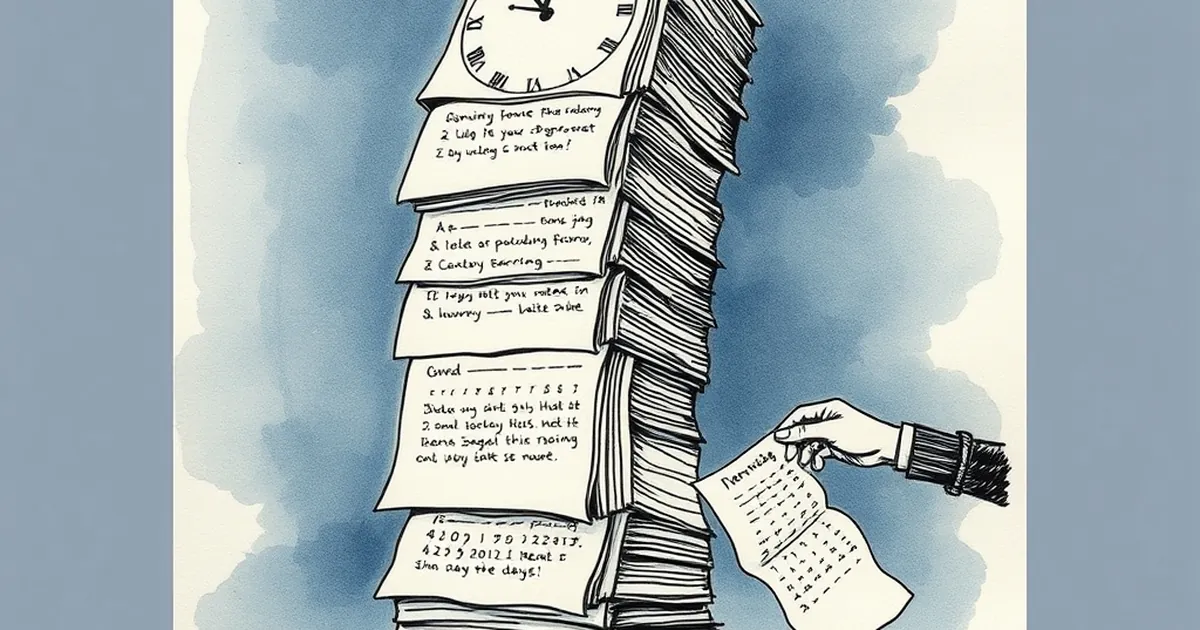
A streak counter that resets at midnight is a design decision, not a fact of nature. Someone chose midnight. Someone chose to make the loss visible. And when 53% of users lose a 12-day run in a single reset, that's not a user problem—it's a design outcome worth examining. So the real question is: what exactly did that midnight deadline do to people's behavior, and what should we build instead?
The Midnight Deadline Is a Random Loss Generator
Most streak mechanics borrow their logic from variable-ratio reinforcement—the same intermittent reward pattern behaviorists have studied since Skinner's work with pigeons. You don't know exactly when the reward lands, so you keep pulling the lever. But streaks add a second ingredient: a visible, countable thing you can lose.
That's where Kahneman and Tversky's loss aversion comes in. Losing something hurts roughly twice as much as gaining the same thing feels good. A 12-day streak isn't just twelve checkmarks—it's a small possession. Midnight turns it into a countdown.
Here's the concrete case. Duolingo's streak is one of the most-studied retention mechanics in consumer software. The company has publicly discussed how a fixed daily deadline plus streak freezes changed user behavior dramatically—users who bought a freeze were far more likely to still be active months later. The freeze didn't make the streak easier. It made the loss feel survivable. That distinction matters enormously.
53% Is a Number About Timing, Not Commitment
When more than half of users lose a 12-day run, the tempting read is "people aren't committed." The more useful read is "the deadline doesn't match how people live."
Think about who's actually at risk at midnight. Shift workers. Parents doing bedtime routines. Anyone in a timezone where the reset lands mid-afternoon. A streak that resets on a fixed clock punishes people for having lives, and the punishment is disproportionate: one missed evening erases eleven good days. That's a design that converts a small lapse into a total loss, which is exactly the pattern loss aversion makes most painful.
What Better Streak Design Looks Like
If you're building a habit loop into a product—a design tool, a learning app, a daily planner—the streak is a lever you can pull more gently:
- Rolling windows instead of hard resets. Let the streak survive if the user completes the action within, say, 36 hours. You keep the daily rhythm; you drop the arbitrary cliff.
- Partial credit. Show "11 of 12" rather than "0." The number stays honest, but the loss isn't total, which keeps people in the loop instead of driving them out of it.
- Earned forgiveness. A freeze, a skip token, a "grace day" the user can bank. This turns the streak into a small resource-management game—which is genuinely more engaging than a countdown.
- Make the reset visible before it happens. A warning at hour 20 of 24 does more for retention than any celebration animation.
The Design Question Behind the Number
Streaks work because they tap real psychology: consistency, identity, the satisfaction of a visible record. But the midnight reset is a blunt instrument, and blunt instruments create collateral damage—users who feel punished rather than motivated, who churn not because they stopped caring but because the system made one bad evening cost too much.
The forward-looking move is to treat the streak as a promise you're making to the user, not a trap you're setting. Ask what your reset rule actually communicates. If the answer is "we'll erase your progress the moment life gets in the way," you've designed a loss generator, not a habit. The better version keeps the pull of the count while making sure a single missed midnight doesn't cost someone twelve days of momentum.
— creative mess