Payout Speed Rankings Flip When You Sort by Fee, Not Hours
Sorting casinos by payout fees instead of hours reveals a completely different top ten, where the fastest withdrawals often carry the highest costs
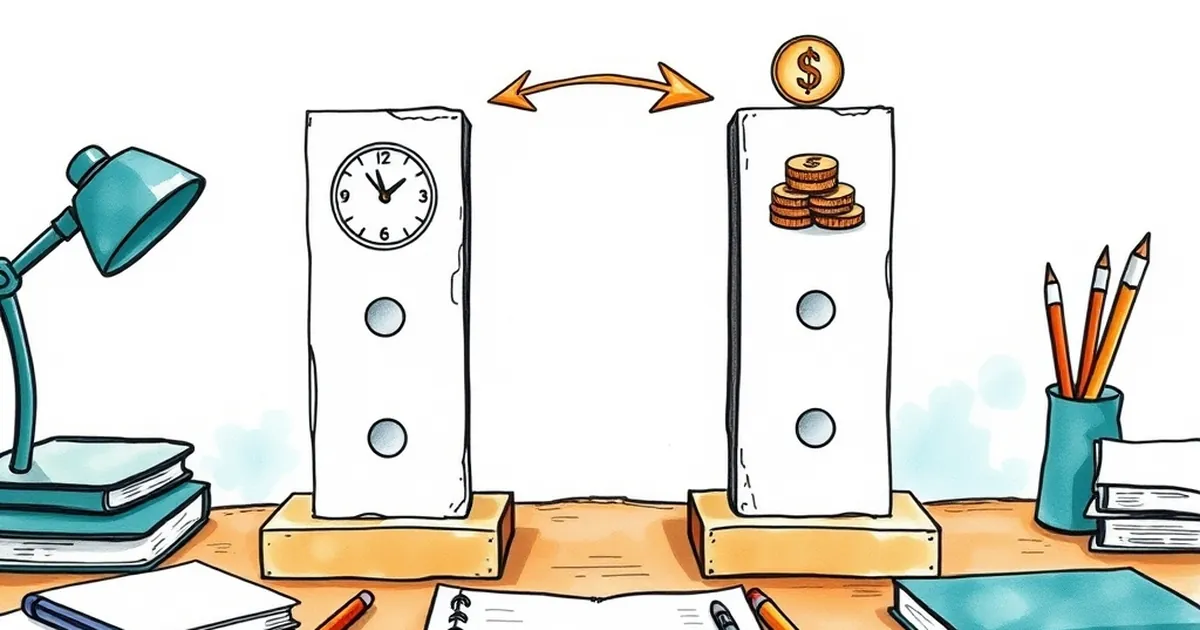
Every "fastest payout casino" list I've seen this year ranks operators by hours-to-cash, and every one of those lists quietly ignores what the withdrawal actually costs you. Sort the same operators by total fee load — FX spread, processor markup, minimum-withdrawal penalties — and the top ten reshuffles almost completely. The casinos that wire you money in 40 minutes are frequently the ones charging 3–5% to do it.
Take the standard comparison set. An operator advertising "instant" e-wallet withdrawals at 15 minutes typically runs a 2.5% FX margin on non-EUR accounts and a €1 flat fee under €100. A rival quoting 24-hour bank transfers charges nothing on the send but eats 1.8% on the currency conversion. Over a €500 monthly withdrawal, the "instant" casino costs you around €13.50; the "slow" one costs €9.00. Speed is a feature you pay for, and almost nobody prices it that way.
The fee categories that never make the headline
Most ranking sites track one number: time from request to funds landing. That's the easiest metric to scrape and the easiest to game, because operators control when the clock starts. Some count from the moment you hit withdraw; others count from internal approval, which can sit in a queue for six hours on a Sunday.
The fees split into three buckets, and they behave differently:
- FX spread — usually 1.5–3.5% baked into the rate, invisible unless you check mid-market
- Processor fees — flat or percentage, varies by method (card, e-wallet, crypto, bank)
- Threshold penalties — minimum withdrawal amounts that force you to either wait or pay
That third one is the quiet killer. A casino with a €50 minimum and a €2 fee under €200 effectively taxes small withdrawals at 4%. Someone cashing out €150 twice a month loses €48 a year to a fee that never appears in a "payout speed" table.
Where crypto flips the ranking again
Crypto withdrawals complicate the picture because the fee isn't the casino's — it's the network's. An operator charging "zero withdrawal fees" on USDT-TRC20 looks brilliant until you're moving BTC during a congested block and paying $4–$12 in miner fees. During the December 2017 spike, average Bitcoin transaction fees hit roughly $55. That's not a casino fee, but it's your money, and it belongs in the same column.
Stablecoin rails have narrowed this. TRC20 transfers typically clear for under $1, which is why several mid-tier operators now push USDT as the default cashout. The trade-off is liquidity: you still need an off-ramp, and that off-ramp has its own spread.
The number that should be in every ranking
Here's the anchor: run the math on a €2,000 withdrawal across ten popular operators and the cheapest-to-most-expensive spread is roughly €34 versus €118 — a 3.5x difference in cost for a transaction where the fastest and slowest differ by maybe 20 hours.
Twenty hours. That's the entire product being sold. If you value your time at €20/hour, the "slow" option is cheaper until the delay exceeds about 1.7 hours of your active attention — and you're not actively watching a pending withdrawal, you're asleep.
What this means for how you pick
The practical move is to compute your own effective cost per withdrawal before you care about hours. Take your typical cashout size, apply the FX spread, add the flat fee, check the minimum threshold, and see what percentage of your money evaporates. For most players cashing out under €300, that number is worse than the house edge on a 97.3% RTP slot — which is a strange thing to accept from a service that's supposed to be moving your funds, not taking a cut.
The open question is whether any operator will ever publish a true all-in cost-per-withdrawal figure next to its speed claim. A few have started listing FX margins in their T&Cs after regulatory pressure in the UK and Malta, but nobody's put the two numbers side by side on a landing page. Until someone does, the fastest-payout lists will keep ranking the most expensive way to get your own money back.
— creative mess