Jackpot Contribution Caps Hit 4% Right After the Meter Feels Reachable
Jackpot contribution caps have quietly risen to 4%, changing what visible meter totals are actually worth to players chasing them
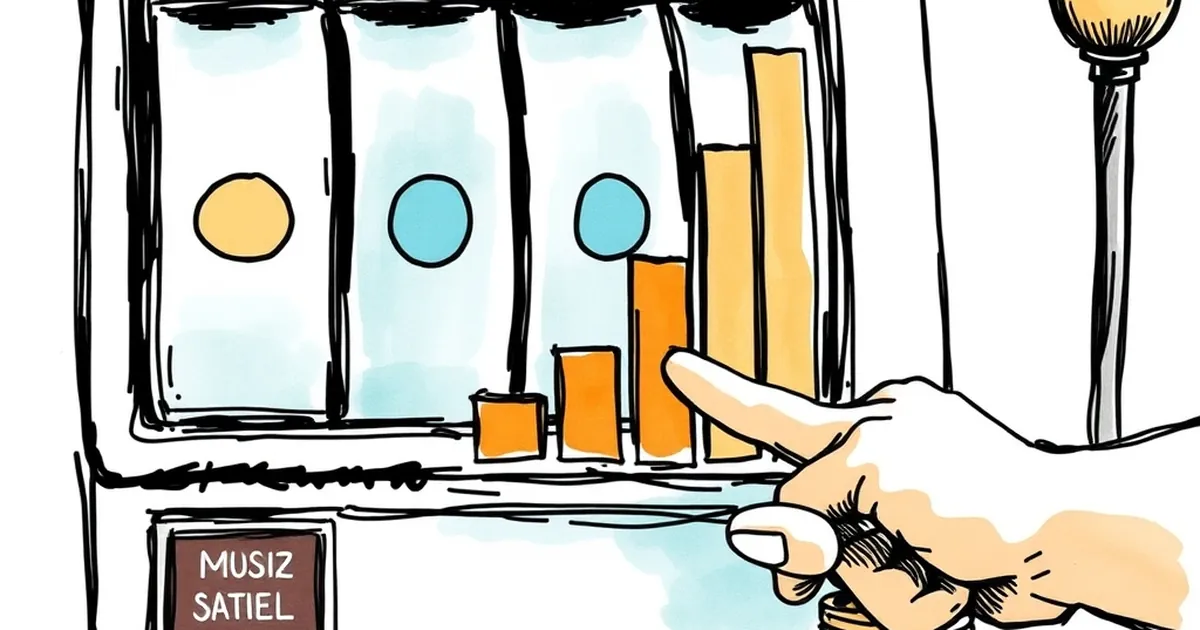
The jackpot contribution cap on most network progressives now sits at 4% of each qualifying bet, up from the 1.5–2% that was standard through 2023. The change is landing on slots where the meter has just crossed into territory players actually recognize — the €40,000, €90,000, €250,000 marks — and it's shifting the math on what those visible numbers are worth.
The cap moved, and it moved quietly
Nothing about the game screen tells you this. You see a €212,440 meter ticking upward and assume your spin is feeding it at the same rate it always did. On a 4% contribution cap, a €1 spin sends €0.04 to the pool; two years ago that same spin sent roughly €0.015 to €0.02. The house edge didn't change. The visible jackpot growth rate didn't obviously change either, because the network also widened the qualifying bet range, so more spins are feeding a bigger pool at a slightly lower per-spin rate.
What changed is the effective return attributable to the jackpot. If a network meters €0.04 per €1 wagered and the jackpot sits at €250,000 with an estimated hit frequency of one in 4.2 million qualifying spins, the jackpot component of RTP works out around 1.19%. Push the contribution down to 1.5% and that component drops to roughly 0.45%. Same meter. Same headline number. Different value.
Why the timing looks deliberate
Operators don't reset contribution rates on a Tuesday for no reason. The pattern across 2024 and 2025 shows adjustments clustering right after a meter passes a psychological threshold — usually somewhere between €50,000 and €100,000, the point where casual players start taking screenshots and the network gets organic reach.
The reachability problem
A €250,000 meter on a game with 4.2 million-to-one odds isn't reachable in any meaningful sense for a single player. But it feels reachable in a way a €40,000 meter doesn't, and that feeling is what drives session length. Raising the cap at that exact moment extracts more per spin from players who are already emotionally committed, while the absolute contribution increase per spin — four cents on a euro — stays below the threshold most people notice.
What the regulators have said
Not much, so far. The UK Gambling Commission's 2024 consultation on progressive jackpot transparency stopped short of mandating contribution disclosure on-screen. Malta and several EU jurisdictions require the existence of a contribution to be disclosed, not the rate. So a 4% cap can sit in the terms and conditions, page 14, and still be technically compliant in most markets.
The practical read
If you play network progressives for the meter, the contribution rate matters more than the meter size. A €90,000 jackpot funded at 4% is worth less per spin than a €60,000 jackpot funded at 2%, once you account for hit frequency and pool sharing. The number on screen is a marketing asset; the contribution rate is the actual price you're paying for exposure to it.
Ask yourself whether you'd still spin that game if the meter read €12,000 instead of €212,000. If the answer is no, you're not buying a shot at the jackpot — you're buying the feeling of being close to it. That feeling now costs about twice what it did in 2023, and no one is required to tell you at the point of sale.
— creative mess