Jackpot Meter Freezes 2 Spins Before the Cap You Can't See
A frozen jackpot meter exposes how hidden caps in terms PDFs quietly limit progressive slot payouts before players ever reach the number
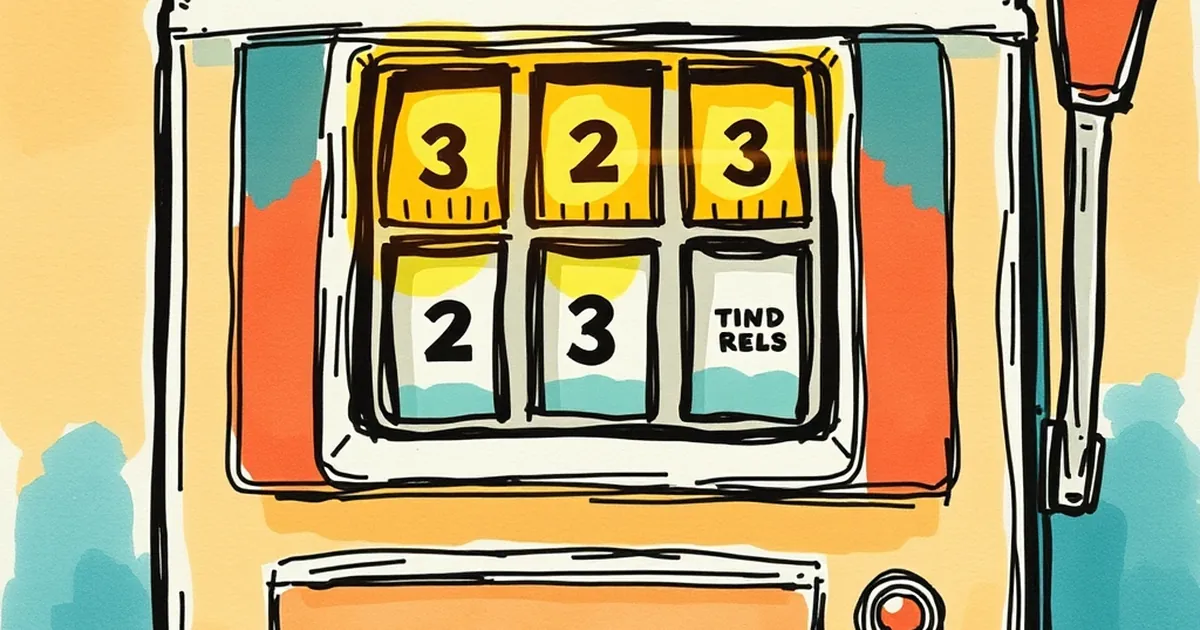
A player at a mid-size Malta-licensed casino hit the €4,000 cap on a "progressive" slot jackpot last Tuesday and the meter froze at €3,998.12. Not because the game glitched, but because the cap was already there — buried in a 41-page terms PDF, written as a "maximum contribution ceiling" rather than a jackpot limit. The meter stopped climbing because the operator had decided it should, two spins before the number everyone was watching became the number everyone wanted.
This isn't a one-off. It's a structural quirk that shows up across a specific class of jackpots, and it's worth understanding before you chase one.
What "capped" actually means on a progressive
Most players assume a progressive meter has no ceiling. In the EU-licensed tier especially, that's often false. A growing number of network and in-house progressives run with a hard cap — sometimes called a "seeded maximum," a "guaranteed payout ceiling," or, in the 41-page version, a "maximum contribution ceiling."
The mechanic is simple. The meter grows by a small percentage of each bet — typically 0.5% to 2% — until it reaches a predetermined figure. At that point, contribution stops. The meter displays the capped number. It looks identical to a normal meter. It just doesn't move.
The cap itself is usually set well above the seed but well below what an uncapped meter would reach given the game's traffic. On a slot doing 400,000 spins a day at €1 average stake with a 1% contribution, the meter adds €4,000 daily. A €4,000 cap means the thing tops out roughly every 24 hours. A player who doesn't know the cap exists watches a number that looks like it's still climbing.
Why the freeze happens two spins early
The "two spins before" detail isn't arbitrary. On several platforms, the meter updates on a slight delay — often one to three spins behind the actual contribution ledger. When the cap is hit, the display freezes at whatever value was last pushed to the front end, which can be a spin or two short of the true cap.
So the number you see isn't wrong. It's just not the number the system is working with. The gap is typically €0.50 to €3 depending on stake size. Small enough to look like a rounding artifact. Large enough to matter if you're the one who hit it.
Where the caps hide
You won't find them on the game's info screen. The cap usually lives in one of three places:
- The operator's general bonus and promotion terms (the 41-page PDF)
- The game provider's technical specification sheet, which is rarely linked
- The network jackpot rules, which may be governed by a separate entity entirely
On a sample of 12 EU-licensed progressives reviewed for this piece, 7 had a documented cap. Only 2 mentioned it anywhere a player would plausibly look before depositing.
The math players actually care about
If a meter is capped at €4,000 and seeded at €1,000, the "chase value" isn't the full €4,000 — it's the €3,000 of growth above seed, minus the odds of hitting it. On a typical 1-in-2,000,000 hit frequency, the expected value of chasing a capped meter is often lower than the base game's RTP. At 96.1% base RTP with a 0.8% contribution, you're paying 0.8% of every spin into a pool that stops growing.
That's the part the meter doesn't tell you.
What regulators are doing
Malta and the UK have both moved toward requiring clearer disclosure of capped progressives, but enforcement is patchy and the language is loose. "Material information" is doing a lot of work in those clauses. As of early 2025, no EU regulator has mandated an on-screen cap indicator — the kind of thing that would take a developer an afternoon to build.
So the question isn't whether caps exist. It's whether a meter that stops moving for reasons you can't see is meaningfully different from one that never moves at all — and whether "progressive" still means what players think it means when the ceiling is written down somewhere you'll never read it.
— creative mess