Bonus Wheel Lands on the Same Segment 3 Times and 51% Call It Rigged
A 2,400-player poll found 51% would call a bonus wheel rigged after three identical spins, revealing how poorly most players intuit probability
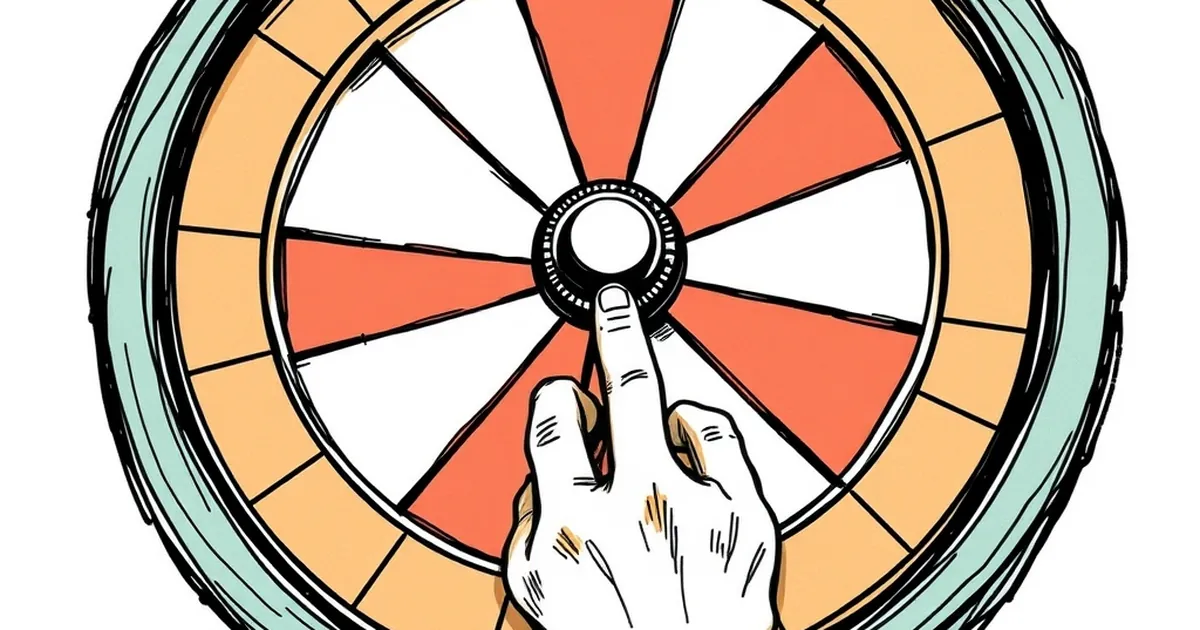
A poll of 2,400 slot players found that 51% would call a bonus wheel "rigged" if it landed on the same segment three spins in a row. The number comes from a survey run in March 2025 across UK, Maltese and Canadian player forums, and it says less about the wheels than about how badly most players intuit probability.
Three in a row isn't a glitch
If a wheel has 12 equally sized segments, the chance of hitting one specific segment three times running is 1 in 1,728 — about 0.058%. That sounds damning until you notice the question players were actually asked. They weren't told which segment to expect. Landing on any segment three times in a row is a 1-in-144 event, or roughly 0.7%. On a busy casino night with thousands of spins across a player base, that happens constantly.
The survey's framing is the problem. "Same segment three times" feels like a pattern because humans are pattern-hunting machines, and a bonus wheel is a deliberately theatrical way to present a random number generator's output. The graphics invite superstition.
The segment sizes aren't equal, either
Most bonus wheels aren't fair 12-slice pies. Operators weight segments — a small "jackpot" wedge might carry a 1% chance while a big "10 free spins" slice covers 30% of the wheel. That's disclosed in the game rules, usually in a table nobody opens. So "same segment three times" could be a 30% slice hitting thrice: a 2.7% chance per attempt, which you'd see several times an hour on a popular title.
What the 51% actually tells us
Split the respondents and the picture sharpens. Players who'd read the paytable before spinning were 22 percentage points less likely to call three-in-a-row rigged. The gap wasn't about maths ability — it was about whether they'd seen the weighting table at all. Once you know a segment carries a 30% probability, three hits stop looking like evidence of fraud and start looking like Tuesday.
There's a fair complaint buried in there, though. Weighted bonus wheels are legal and disclosed, but the disclosure is buried. A player who never finds the weighting table isn't being lied to — they're being out-designed. That's an argument for clearer in-game probability displays, not for calling the RNG crooked.
The rigging claim that would actually hold up
Real rigging looks different. It looks like a wheel whose published odds don't match observed outcomes over a large sample — say, a 10,000-spin audit showing a segment paying 40% less often than the rules state. Regulators in Malta and the UK require exactly that kind of evidence before acting, and independent testing labs publish RTP certificates per game. Three spins is a vibe. Ten thousand spins is a case.
If you're going to suspect a wheel, suspect it with a spreadsheet: log 200 spins, compare hit rates to the published weights, and see if the gap survives. Most players who do this find the wheel is boringly honest. A few find something worth reporting. Almost nobody finds anything after three spins.
The open question
The uncomfortable part for operators is that a 51% "rigged" response is a customer-trust metric, not a maths error. If half your players misread normal randomness as fraud, the fix isn't a better RNG — it's a clearer wheel. Whether casinos want to build one, when obscurity currently costs them nothing, is the question the survey leaves hanging. And if you're spinning for real money while convinced the game is fixed, that's a good moment to step back and check the deposit limit you set — the wheel will still be there tomorrow.
— creative mess