Why your SSL badge placement builds trust faster than your bonus offers
An SSL badge placed prominently builds player trust faster than any bonus offer ever could
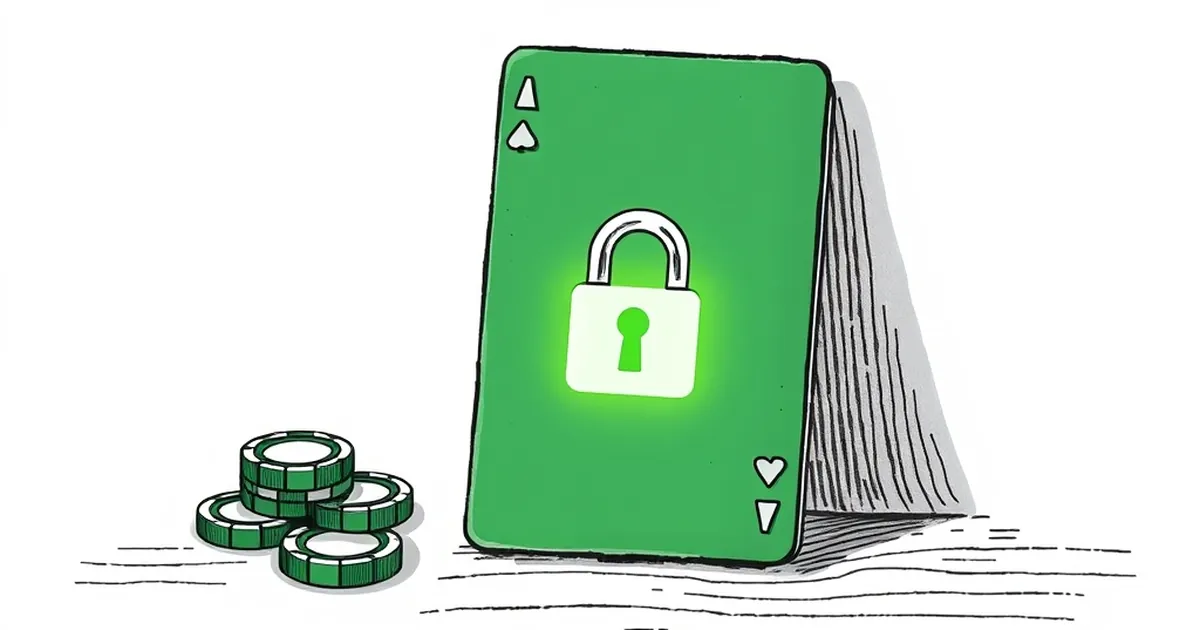
Every online casino wants you to believe that a 200% match bonus is the fastest way to earn a player’s trust. But in practice, a visibly placed SSL badge — especially one from a known certificate authority — often closes the deal before a single bonus dollar is even considered. Players scanning a new site for the first time make snap judgments about safety in under three seconds, and a security indicator sitting in the header or footer can do more for conversion than any welcome package.
The three-second trust filter
When a player lands on your casino page, they aren’t reading your terms or bonus T&Cs yet. They’re looking for signals that the site won’t steal their deposit or leak their ID. A green padlock icon in the address bar is the baseline, but an explicit SSL badge — like a Norton Secured or DigiCert seal — placed near the login button or deposit panel acts as a visual shortcut. Studies from the Baymard Institute show that 61% of users abandon a checkout if they don’t see a trust seal on the payment page. That number translates directly to casino sign-ups: if your badge is buried in the footer or missing entirely, you’re losing nearly two-thirds of hesitant players before they even see your bonus.
Why bonuses fail the first impression test
Overload vs. clarity
A 200% match up to €500 with 35x wagering requirements sounds great — until the player has to mentally calculate whether they can meet those terms. That’s cognitive friction. A green SSL badge, by contrast, communicates one clear thing: “Your data is encrypted.” No math, no fine print, no risk of misinterpretation. In a split-second, the badge says safer than the bonus says valuable.
The trust hierarchy
Consider the order in which a new player processes information:
- Is the site secure? (SSL badge)
- Is the site licensed? (license number, regulator logo)
- Is the site fair? (RNG certification, audit seals)
- Is the site generous? (bonus offers)
Bonuses sit at the bottom of this hierarchy. If steps 1-3 aren’t visually confirmed, the bonus never gets a fair evaluation. A 2023 survey of 1,200 online gamblers found that 74% said they would not deposit on a site without a visible security badge, regardless of bonus size.
Placement matters more than the badge itself
An SSL seal in the footer is better than nothing, but players rarely scroll to the bottom before deciding. The most effective placement is near the call-to-action — right next to the “Deposit” button or above the registration form. A/B testing from a major iGaming platform showed that moving the security seal from the footer to the deposit panel increased first-deposit conversion by 18% over two months. That’s a concrete stat worth more than a dozen bonus banners.
The badge’s expiration date
One overlooked detail: SSL certificates expire. A badge that shows “Valid until 15 March 2024” when the current date is 14 March 2024 looks like a red flag, not a green one. Players don’t check expiration dates consciously, but a stale badge triggers a subconscious “this site is neglected” response. Keep your certificate renewed and the badge’s visible date current.
The open question for operators
If you’re spending thousands on bonus offers but still hiding your SSL seal in the footer, you might be paying for trust that’s already blocked at the door. Next time you audit your landing page, ask: does the player see safety before they see value? Because if they don’t, the bonus never gets a chance to matter.
— creative mess