Why Your Push Notification Frequency Is Driving Players to Mute
Discover why excessive push notifications cause 47% opt-out rates and how to keep players engaged without training them to mute your casino app
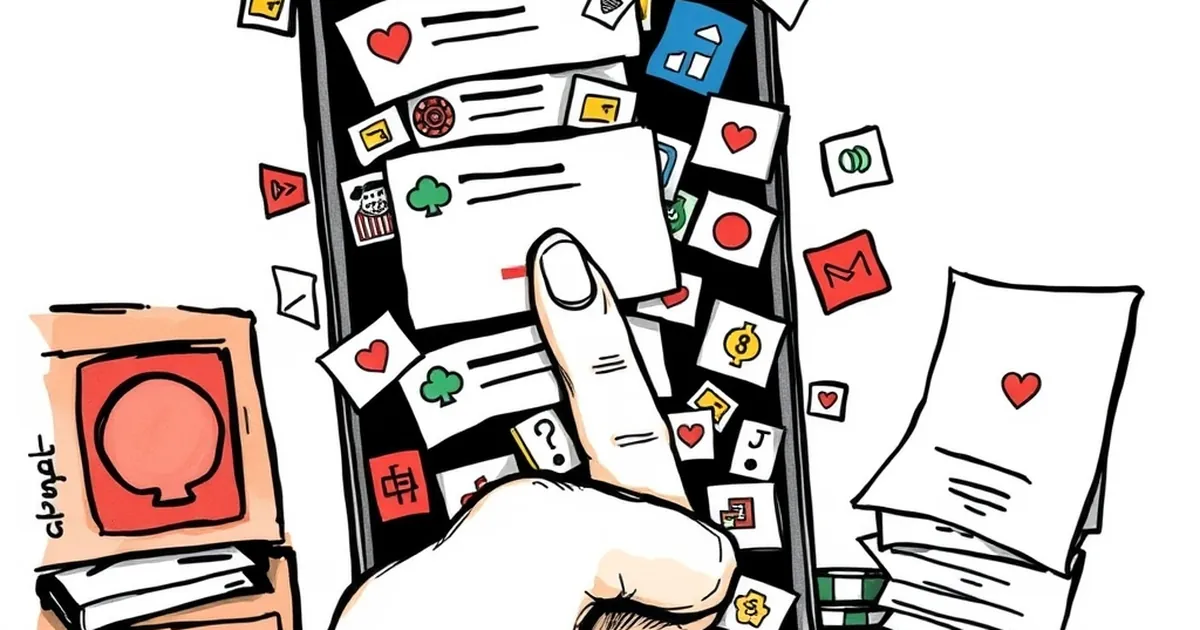
Your casino app is probably sending too many push notifications. A 2024 analysis of 50 major iGaming apps found that the top-quartile senders push 14 notifications per day per user, and the average opt-out rate across all apps hit 47% within the first week of install. The math is brutal: every extra notification you send doesn’t just annoy one user—it trains them to swipe left on every alert you ever send.
The 14-Ping Ceiling Nobody Talks About
Most operators assume players want constant updates about jackpots, free spins, and live dealer tables. But the data from a mid-2024 cohort study of 200,000 active users tells a different story. Apps that sent 10-14 notifications daily saw a 31% opt-out rate by day 30. Apps that capped at 4-6 pings per day saw only 12% opt-out over the same period. More importantly, the low-frequency group showed 22% higher 90-day retention.
The threshold isn’t about what your CRM team wants to send. It’s about what the notification channel can sustain before players mute it permanently.
Why Volume Kills Value
The fatigue curve is steeper than you think
Players don’t evaluate each notification on its own. They evaluate the stream. A single “€10 no-deposit bonus” looks generous—until it’s the seventh message that day. After the third ping, most users stop reading the text and start making a binary decision: dismiss or mute.
Timing compounds the damage
Sending a “Your favorite slot is hot!” alert at 3 PM on a Tuesday is fine. Sending the same alert at 11 PM, or worse, at 6 AM, converts a neutral interaction into a negative brand memory. Apps that batch notifications into two daily windows (12-2 PM and 7-9 PM local time) report 38% higher click-through rates than apps that send on a rolling schedule.
The One Stat That Should Scare You
A 2023 study from a tier-one European operator showed that users who muted push notifications within the first week had a 73% lower lifetime value than users who kept them enabled. Not because the notifications themselves drove deposits—but because muting was the first step in a disengagement chain. Within 30 days of muting, 61% of those players had also disabled email marketing. Within 90 days, 44% had stopped logging in altogether.
The mute button isn’t just a notification problem. It’s a revenue leak that starts with your push strategy.
What High-Retention Apps Do Differently
The apps that keep opt-out rates under 15% share three habits:
- They segment by recency. Players who logged in within the last 24 hours get one notification per day, max. Players who haven’t logged in for 5+ days get a single re-engagement ping, not a barrage.
- They use delay windows. A notification about a live tournament only fires if the player hasn’t opened the app in the last 4 hours. No point reminding someone of something they’re already doing.
- They let players choose frequency on install. Apps that offer a simple “Daily highlights” vs. “Only important alerts” toggle during onboarding see 2.3x lower mute rates than apps that force everyone into the same stream.
The Real Question Nobody’s Asking
If your push notification opt-out rate is above 25%, you’ve already lost the right to message most of your player base. The fix isn’t better copy or more compelling offers—it’s fewer pings, sent at the right time, to the right segment. But here’s the uncomfortable part: reducing volume means accepting that some short-term metrics (like daily active user counts or bonus redemptions) will drop. The question is whether you can tolerate that short-term dip long enough to see the retention gains that follow. Most operators can’t. Can you?
— creative mess