Why Your Popup Timing Is Training Visitors to Ignore You
Learn how premature popups train visitors to ignore your site and why timing is the key to keeping their attention
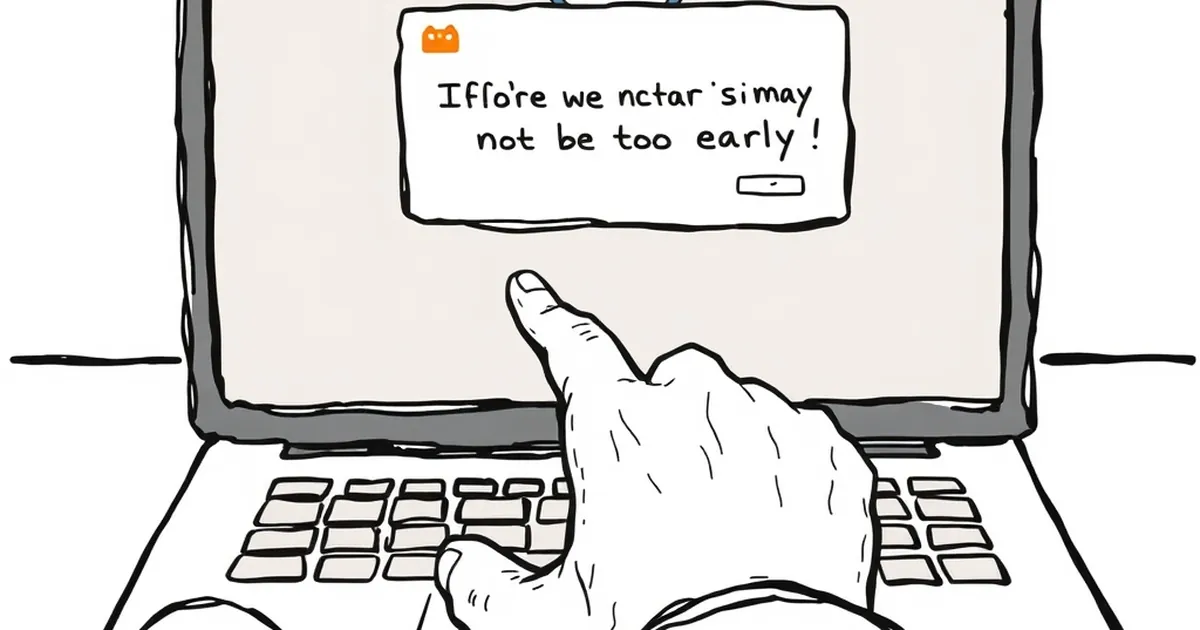
You finally got someone to click. They read half your landing page, nodded along, and then—bam—a popup slams down before they’ve even scrolled. They close it. You lost them.
That’s not a bug. That’s a training session. Every time your popup appears at the wrong moment, you teach your visitors that your site is interruptive. And the more you interrupt, the better they get at ignoring you.
The Instant Popup Problem
We’ve all seen it. A page loads, and before the visitor can blink, a full-screen email capture covers everything. It’s the digital equivalent of a street vendor grabbing your arm before you’ve entered the shop.
The data backs this up. Popups that appear within the first three seconds have conversion rates near zero. Worse, they increase bounce rates by double digits. You’re not capturing leads—you’re building a reflex. Visitors learn to scan for the tiny “x” before they even read your headline.
Why “Soon” Feels Like “Never”
Here’s the psychology: timing creates expectation. If you always interrupt at second two, your visitors stop trusting that your content comes first. They learn that your site prioritizes their email address over their time.
I once worked with a SaaS founder who couldn’t figure out why his blog traffic never converted. He had a 4-second popup. We pushed it to 45 seconds, after the first scroll. His email capture rate tripled. Nothing else changed. The same offer. The same design. Just respect for the reader’s pace.
Exit Intent: The Overused Savior
Exit-intent popups were the hero for a while. They detect when a cursor moves toward the browser bar or close button. In theory, it’s a last chance. In practice, it’s become background noise.
Visitors now expect the exit popup. They’ve seen it on a hundred other sites. It’s the digital equivalent of a waiter chasing you out the door with dessert menu. Sometimes it works. But it trains users to associate your brand with desperation.
A Better Approach: Behavior-Based Timing
Instead of guessing, watch what your visitor actually does. Has they read two paragraphs? Are they hovering over a pricing link? Have they spent 30 seconds on one page? Those signals matter more than a countdown clock.
For example, a simple scroll-triggered popup—appearing after a visitor has moved through 50% of your article—performs significantly better than a time-based one. The visitor has already shown interest. They’re engaged. Your offer feels like a natural next step, not an interruption.
The Scroll Depth Example
Last year, I redesigned a landing page for a freelance designer. She had a “book a call” popup set to fire after 15 seconds. Her conversion rate hovered around 1.2%. I changed the trigger to fire after the visitor scrolled past her portfolio section.
Conversions jumped to 4.7%. Why? Because by the time someone has scrolled through her work, they’ve already decided she’s talented. The popup didn’t interrupt curiosity—it captured intent.
What About Mobile?
Mobile users are even more sensitive. The screen is small, and a popup feels like a full takeover. On mobile, consider using a sticky bar at the bottom instead of a modal. Or wait until the user has scrolled significantly. And please, never use a full-screen popup on a phone. That’s a one-way ticket to the back button.
The Practical Takeaway
Stop training your visitors to ignore you. Audit your popup timing this week. Ask yourself: Does this popup respect what my visitor is currently doing? If the answer is no, change the trigger.
The best popup is the one that feels like an invitation, not an ambush. Your visitors are smart. They know when you’re interrupting versus when you’re helping. Earn their attention by waiting for it.
— creative mess