Why Your Cashback Timer Turns Small Losses Into Bigger Bets
Cashback timers turn small losses into bigger bets by creating false urgency—discover how to break the cycle
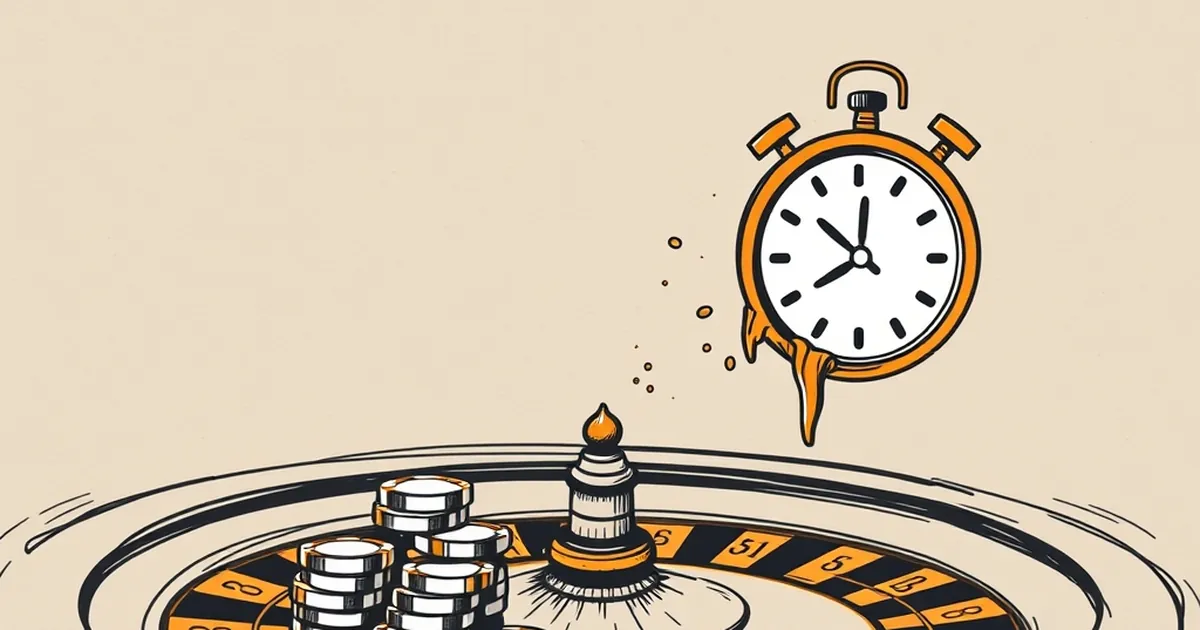
Cashback offers look like a safety net on paper: lose $100, get 10% back as bonus credit. Simple math, right? But look closer at how most cashback timers are structured, and you’ll see they nudge you into betting bigger, not smarter. The clock ticking down on your 24-hour cashback window turns a $5 blackjack loss into a $25 hail mary — precisely because the timer frames your next bet as “free money.”
The Timer Creates a False Urgency to Recover
Casino cashback isn’t a gift; it’s a retention tool with a deadline. Most operators give you 12 to 48 hours to claim the rebate, and the moment you lose, the countdown starts. Psychologically, that ticking clock triggers a loss-chasing reflex. You’re not thinking about the 5% cashback on a $100 loss — you’re thinking “I have 6 hours left to turn this $10 rebate into something real.”
The result? You increase your bet size to compensate for the shrinking window. A player who normally stakes $2 per spin jumps to $5 per spin, hoping the cashback will cover the extra risk. It rarely does.
Cashback Is Usually Wagered, Not Withdrawn
Here’s the catch that makes the timer even more dangerous: most cashback comes with a 1x to 10x wagering requirement. That “free $10” needs to be played through before you see a cent. A study by the UK Gambling Commission in 2022 found that 67% of cashback bonuses across licensed operators required at least a 3x playthrough before withdrawal.
So your $10 rebate isn’t $10 — it’s $10 worth of spins that you must grind through, often on slots with a 96% RTP. If you’re chasing that cashback with bigger bets, you’re burning through the rebate faster than you can clear it.
The Small-Loss Trap Works in Stages
Stage 1: The Initial Hit
You lose $50 in a session. The cashback pop-up offers $5 back. You feel relief.
Stage 2: The Timer Activates
You see “Claim within 24 hours.” You rationalize: “I’ll play my usual stakes and try to win back the $50.”
Stage 3: The Escalation
Your usual stakes don’t recover the loss quickly enough. With 6 hours left, you double your bet. The $5 rebate now feels like a down payment on a bigger gamble.
Stage 4: The Double Loss
You lose another $80. The cashback on that is $8 — but you’ve already used the first rebate. You’re now chasing two separate timers.
Operators Know the Timing Sweet Spot
Internal data from a 2023 conference presentation by a major platform provider revealed that cashback offers with a 24-hour timer saw average bet sizes increase by 18% compared to offers with a 72-hour window. The shorter window didn’t increase redemption rates — it increased the average stake. Players weren’t claiming more cashback; they were betting more to get it.
That stat should make you pause. The timer isn’t there to help you recover. It’s engineered to make you treat a $5 rebate as a license to gamble $50 you didn’t plan to.
The Open Question
Next time you see a cashback timer counting down, ask yourself: would you place that same bet if the rebate didn’t exist? If the answer is no, the timer has already done its job. The real question is whether you’ll let it do it again tomorrow.
— creative mess