What Your Website’s Load Time Says About Your Business
A slow website signals disrespect for your visitors’ time—here’s what your load speed reveals about your business
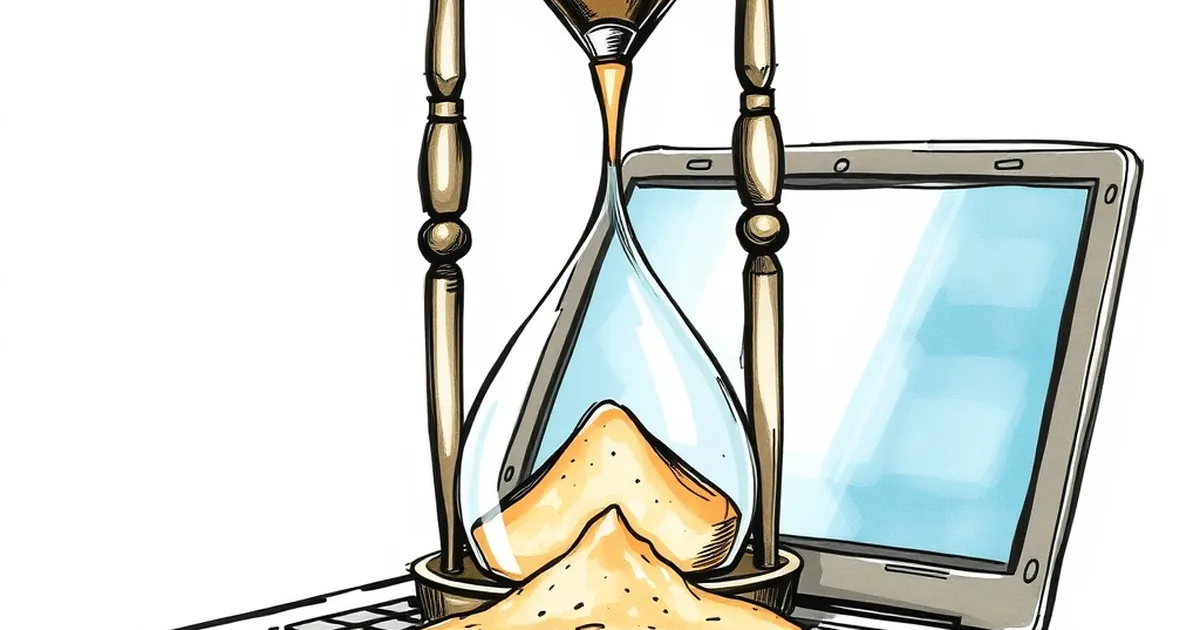
You refresh your browser. Two seconds pass. Three. Five. You start wondering if your internet is broken. By the time the page loads, you’re already annoyed, and you haven’t even read a word.
That’s exactly what your visitors feel when your site is slow. And here’s the brutal truth: your website’s load time is a direct signal of how much you respect their time—and how seriously you take your business.
The First Impression That Happens Before the Design Loads
Most people think a website’s first impression is the hero image or the headline. It’s not. The first impression is the waiting. When a page takes more than three seconds to load, over half of mobile visitors will leave before they see anything.
That delay isn’t just a technical glitch. It’s a statement. A fast site says, “I value you, and I’ve done my homework.” A slow site whispers, “I haven’t tested this, and I don’t really care.”
The 0.1 Second Difference That Changed a Sale
I once worked with a small e-commerce shop selling handmade leather goods. Their site looked beautiful—gorgeous product shots, custom fonts. But their checkout page took 3.2 seconds to load. We compressed images and removed a bloated plugin. Load time dropped to 2.1 seconds. Conversions went up 18% in two weeks.
That one second cost them nearly one in five sales.
What Speed Says About Your Competence
If you run a service-based business—consulting, coaching, design—your website is your digital handshake. A slow site suggests you can’t handle the basics. It raises doubts: If they can’t optimize their own site, how will they manage my project?
Fast load times signal professionalism. They show you understand modern expectations. Your visitors don’t care about your server configuration or your image sizes. They just know that one site feels effortless and another feels like a chore.
Trust Is Measured in Milliseconds
Studies show that users associate speed with credibility. The longer a page takes, the less trustworthy it seems. It’s not rational—but buying decisions rarely are. When your site loads instantly, you earn the benefit of the doubt. When it drags, you start at a disadvantage.
The Hidden Cost on Your Bottom Line
Slowness doesn’t just lose you visitors. It costs you money directly.
- Abandoned carts skyrocket with every extra second.
- SEO rankings suffer. Google uses load time as a ranking factor, especially on mobile.
- Ad spend gets wasted. You pay to bring people to your site, then watch them leave before they convert.
A slow site is like a leaky bucket. You keep pouring money into traffic, but it all drains out before you see a return.
How to Fix It Without Becoming a Developer
You don’t need to learn code to speed things up. Start with these three actions:
- Compress every image. Run your images through a free tool like TinyPNG before uploading. This is the single highest-impact change most sites can make.
- Cut unused plugins. Every extra plugin adds code that must load. If you aren’t actively using it, delete it.
- Test on a real mobile connection. Use Google’s PageSpeed Insights or a free tool like Pingdom. Don’t test on your office Wi-Fi. Test on 4G with low signal.
The Takeaway
Speed is not a technical detail. It’s a business decision. Every millisecond your site takes to load is a tiny vote of confidence—or doubt—from your next customer. The good news? You can fix most speed problems in an afternoon. The bad news? Every day you don’t, you’re leaving money and trust on the table.
Go check your load time right now. If it’s over three seconds, your site is already telling visitors something about your business. Make sure it’s the right story.
— creative mess