What the 5s Cashout Cancel Window Does to Pending Bets
The five-second cashout cancel window creates a dual state for pending bets, and its mechanics affect your balance in ways the interface never shows
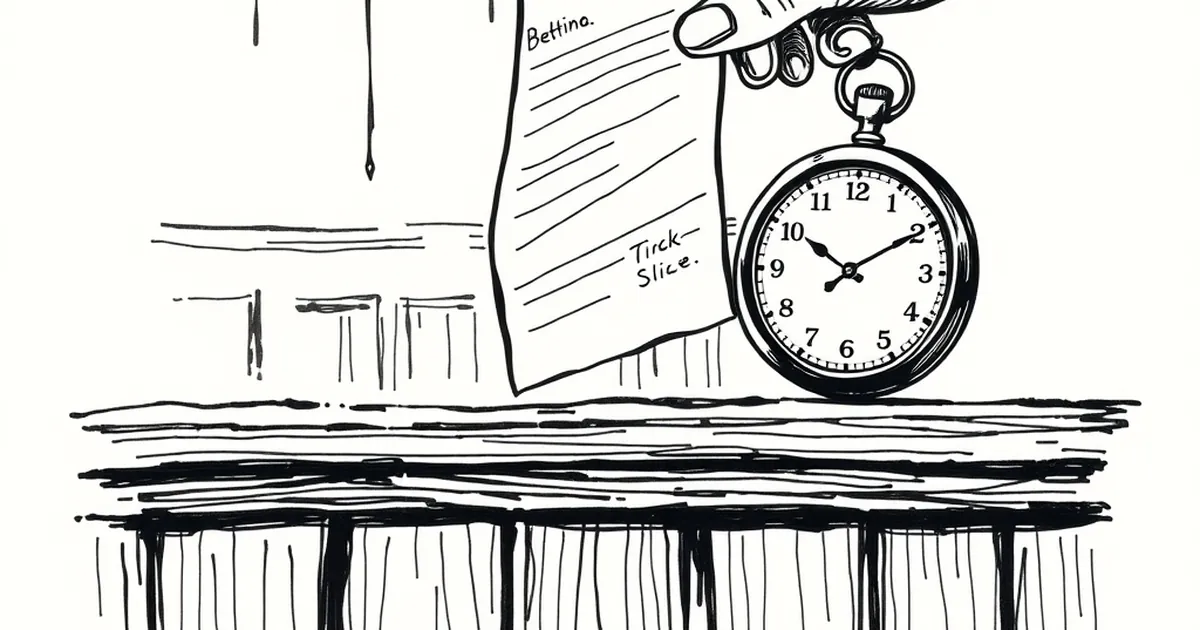
The five-second cancel window changes what "pending" actually means. On platforms that offer it, a bet sits in a state where the stake is committed but the outcome isn't — and for those five seconds, the operator has to treat that money as both yours and theirs. That dual state is where the interesting stuff happens.
Most bettors experience this as a small mercy: you fat-finger a stake, hit cancel, and the money comes back. But the mechanics behind that window are doing more work than the interface suggests, and they show up in places you'd notice if you watched your balance closely.
What Actually Happens in Those Five Seconds
The moment you tap confirm, the stake leaves your available balance. It doesn't sit in a neutral escrow — it's provisionally matched against the market. The cancel window is the operator's accounting for the gap between "bet placed" and "bet accepted by the book," which on a busy Saturday afternoon can be a few hundred milliseconds of genuine uncertainty.
During that gap, three things can be true at once:
- The odds can move. If the price shifts against you by more than the operator's tolerance, some systems auto-void rather than accept at the worse number. The cancel window gives you a manual override for the same scenario.
- The market can suspend. A goal, a wicket, a VAR check — suspension freezes acceptance, and your cancel request may land in a queue rather than resolve instantly.
- The stake is double-counted in your head. Your balance shows the deduction, but your brain still counts the money as available. This is the bit that causes the most confusion.
The Numerical Anchor: 5 Seconds Is Not 5 Seconds
Here's the concrete figure worth holding onto: on most implementations, the cancel window is 5 seconds from the moment the bet is submitted, not from when you see the confirmation screen. On a 4G connection with 300ms of round-trip latency, that can leave you roughly 4.2 seconds of real reaction time. On a congested network during a major event, it can drop below 3.
That gap matters because the window is a fixed clock, not a grace period that pauses for your connection. If you've ever hit cancel at what felt like second four and got "bet already accepted," you weren't slow — the clock started before your screen caught up.
Where the Window Doesn't Apply
Cashout cancel windows are typically disabled on:
- In-play bets after a market suspension
- Accumulators above a certain leg count (often 8–12, operator-dependent)
- Bets placed via cashout-triggered partial closes, where the remaining stake is locked
If you're building a strategy around last-second cancels, these carve-outs will bite you eventually.
Why Operators Offer It at All
A cancel window isn't generosity. It's cheaper than the alternative: support tickets, disputed settlements, and the reputational drag of "I bet on the wrong team by accident" complaints. Five seconds of reversible state costs the operator almost nothing in expected value — very few cancelled bets would have won, and the ones that would have are a rounding error against the volume of genuine mistakes it resolves.
The trade-off is that the operator now holds a small amount of contingent liability on every pending bet. At scale, that's a real treasury consideration, which is why you see the window shrink or disappear on high-liquidity markets where the book can't afford to sit on unresolved exposure.
The Question Nobody's Asking
If a cancel window makes bets more reversible, does it also make bettors more casual about stake size — the way contactless payments made people spend more without noticing? The behavioural research on payment friction suggests yes, and iGaming has historically been slow to look at itself that way. Five seconds is short enough to feel like a safety net and long enough to change how you press the button. Whether that's a net positive for the people using it is an open question, and one worth asking before the window gets extended to ten.
— creative mess