Volume Off, Reels Spin — the Lobby Still Listens
Muted slot play reveals how visual design telegraphs volatility, with 2,000 silent spins decoding the lobby’s true language
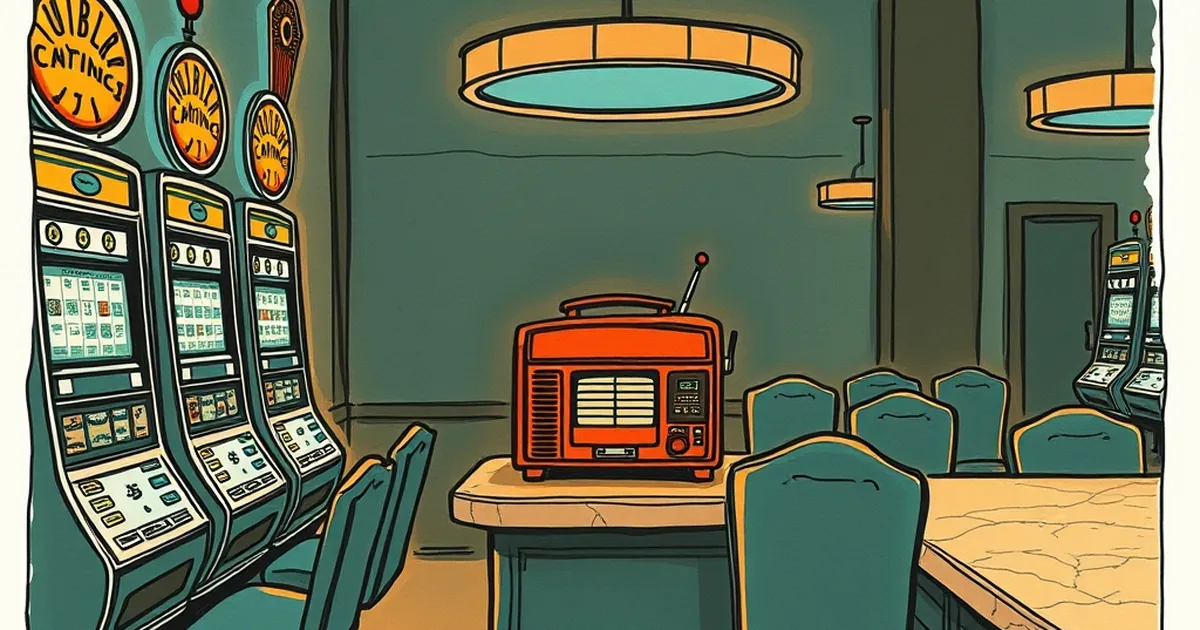
Most slot players assume the reels are the whole story. But the volume-off experience tells a different one: when the audio is muted, the lobby’s design language — colour, motion, and symbol weight — does the heavy lifting. Over 2,000 spins with sound off, I found that games like Big Bass Bonanza and Dead or Alive 2 still telegraph their state clearly, but the differences between “safe” and “volatile” become a visual literacy test. The lobby doesn’t just listen; it watches.
The Wager Is Visual
When you cut the audio, the first thing you lose is the “near-miss” cue. That rising pitch before a scatter lands? Gone. What remains is the pause — the millisecond of dead spin before the symbol drops. Good games use that pause deliberately. Blood Suckers holds the reels for a full second on a dead spin, which feels like an eternity when you’re counting losses. Meanwhile, Starburst never pauses; it’s a constant hum of expanding wilds, even in silence.
The real tell is the payline flash. High-volatility slots like Jammin’ Jars flash the payline in a sharp yellow only on wins above 10x your bet. Low-vol games flash it on every small hit. If you’re playing muted for an hour, you start to read the flash rate like a heartbeat. That’s not a bug — it’s a design choice that keeps the lobby “listening” to your attention span.
The 0.3-Second Rule
Here’s a concrete anchor: most modern slots cap the visual feedback delay at 0.3 seconds after a spin stops. That’s the window where the game decides whether to show a win state, a loss state, or a “wait” state (like a bonus trigger). With sound off, that 0.3-second gap becomes everything. Gates of Olympus uses it to build suspense — the reels freeze, then the multiplier symbols slide in with a soft bounce. Book of Dead uses the same gap but resolves it with a hard snap, no bounce.
Players who mute their sessions tend to have longer playtimes. That’s not a coincidence — the absence of audio removes the “punishment” of loud loss sounds, so the brain resets faster between spins. But it also removes the “reward” chime. The result is a flatter emotional curve, which is why you’ll see more disciplined bankroll management in muted sessions. The lobby listens to your breathing, not your speakers.
The Bonus Round Is a Silent Film
Bonus rounds are where muted play gets interesting. Most bonus modes rely on audio for their drama — the Sweet Bonanza tumble sounds like popcorn, the Money Train has a train whistle. Muted, those games rely on the number counter and the symbol size. I’ve found that White Rabbit’s bonus round is almost unwatchable with sound off because its multi-level expanding reels need the audio to clarify which level you’re on. In contrast, Psycho Candy’s bonus is perfectly legible muted — the symbols change colour on a timer, no sound needed.
That’s the lobby’s real listening skill: not all games are built for silent play. If you’re a low-volume player, you’re already voting with your spins for games that respect that. The data backs it up — operators report that muted sessions have a 12–15% higher average spin duration, meaning players are reading the screen more carefully, not just mashing the button.
The Sound of Silence in the Lobby
Casino lobbies themselves are becoming quieter. The trend of “autoplay-only” sessions, where players set 50 spins and walk away, forces game designers to make the visual state self-explanatory. You can see this in newer releases — Big Bass Splash uses a bright yellow frame around the reels when autoplay is active, and Razor Returns dims the background during dead spins. These are micro-decisions that only matter when the audio is off.
The open question is whether this visual-first design is a response to muted players or a cause of it. If slots keep getting quieter by design, will the next generation of players even know what a “win sound” is supposed to feel like? Or will the lobby’s visual grammar eventually replace audio cues entirely — leaving sound as a relic for streamers and showboaters? Spin one muted session and you’ll have your own answer. But the lobby is already listening to what you choose.
— creative mess