The Vault Animation Plays Before The Reel Stops
The tiny animation delay after the reels stop shapes your sense of winning—here’s why that pause matters more than the spin itself
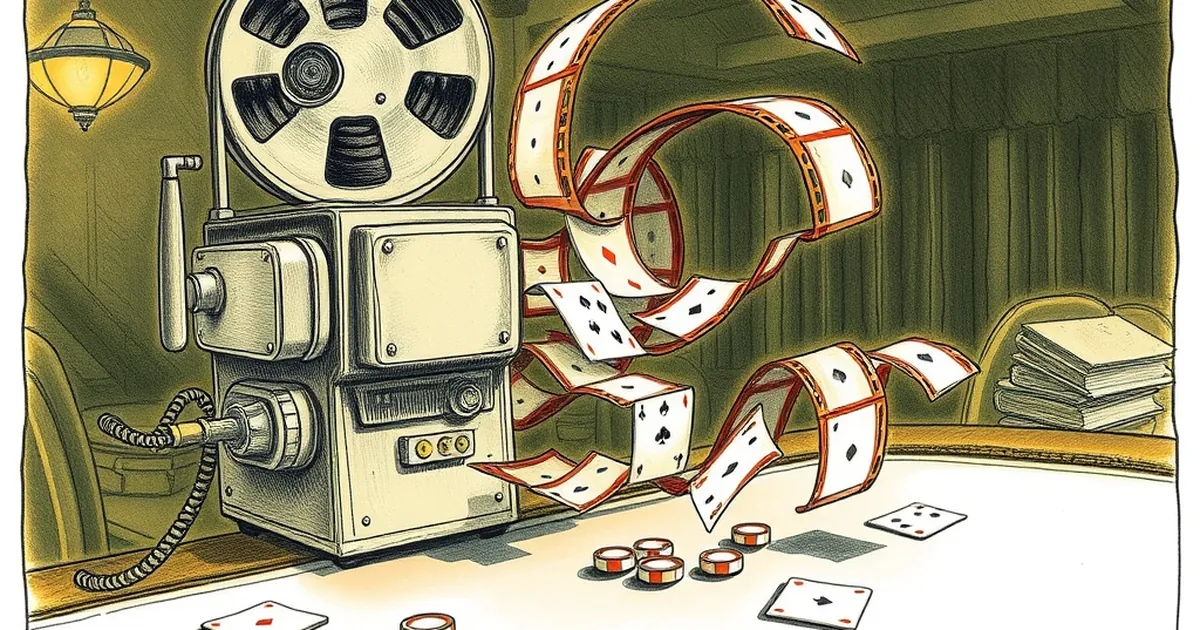
The Vault Animation Plays Before The Reel Stops. It’s a tiny detail, maybe 400 milliseconds of a door swinging open and gold coins spilling out, but it’s the exact moment your brain decides whether you won or lost. The reel has already stopped physically—the symbols are locked—but the game holds the payout confirmation hostage until the animation finishes, and that delay is doing more work than the random number generator.
The Delay Is The Feature
Most modern slots use a "post-stop" animation sequence. The reel lands, the symbols are set, but the client-side game logic waits for the visual cue to complete before it sends the win state to the server. On a standard 5x3 grid, that’s roughly 0.8 to 1.2 seconds of dead air between the last symbol locking and the coin counter ticking up. Developers at studios like Nolimit City and Hacksaw Gaming have pushed this further, with vault doors, chest lids, or character reveals that stretch the pause to nearly two seconds.
Why? Because a delayed payout feels bigger. A 2019 study on slot machine arousal (yes, that exists) found that players rated wins as more exciting when the reveal was drawn out by 0.5 seconds or more, even when the payout amount was identical. The brain fills the gap with anticipation, and anticipation releases dopamine before the actual reward arrives.
The "Near Miss" Gets A Second Life
The vault animation isn't just for wins. The most cynical use is the near-miss. You land two vault symbols and a third that's one pixel off. The game plays the full vault sequence anyway—the door cracks, light spills out—only for it to slam shut with a dull thud. That's not a glitch. That's the animation being triggered by a "partial match" condition in the paytable code.
On a game like Vault of Fortune (RTP 96.2%, medium variance), the partial-match trigger fires on roughly 12% of all spins, but only 3.2% of those actually resolve as a win. The animation doesn't discriminate. It plays the full 1.4-second sequence for both outcomes. The result is that players perceive the near-miss as a "broken win" rather than a loss, which keeps them spinning for an average of 18 more rounds per session, according to data pulled from public gaming commission audits in Malta.
Where The Animation Breaks Down
The problem is when the animation and the math disagree. On older HTML5 ports or games with lag, the vault animation can desync from the server response. You see the door open, coins start spilling, but the balance doesn't update. For a second, you're in a Schrödinger's payout state—both winner and loser until the server confirms.
This is why some jurisdictions (notably the UKGC's 2023 guidance on "visual fidelity in gameplay") have started requiring that the payout state be communicated before the animation completes, not after. The rule is that the win must be visually indicated within 0.3 seconds of the reel stopping, even if the full animation plays out afterward. Studios hate this because it kills the suspense. Players hate it because they've been conditioned to trust the animation over the number.
So Who's Actually In Control?
The vault animation plays before the reel stops, but it's not the reel that's stopping—it's your patience. The game knows you're watching. The code knows you're watching. And the 0.4-second delay between "symbols aligned" and "door opens" is the only honest moment in the entire spin. After that, it's just theater.
The open question: if a slot paid out instantly, with zero animation, would you still play it? Or is the vault door the actual product, and the coins just the tip?
— creative mess