The Leaderboard Hides Your Rank Until You Hit Refresh
Why your leaderboard’s stale rank is no bug—it’s a deliberate hook exploiting the Zeigarnik Effect to keep you refreshing
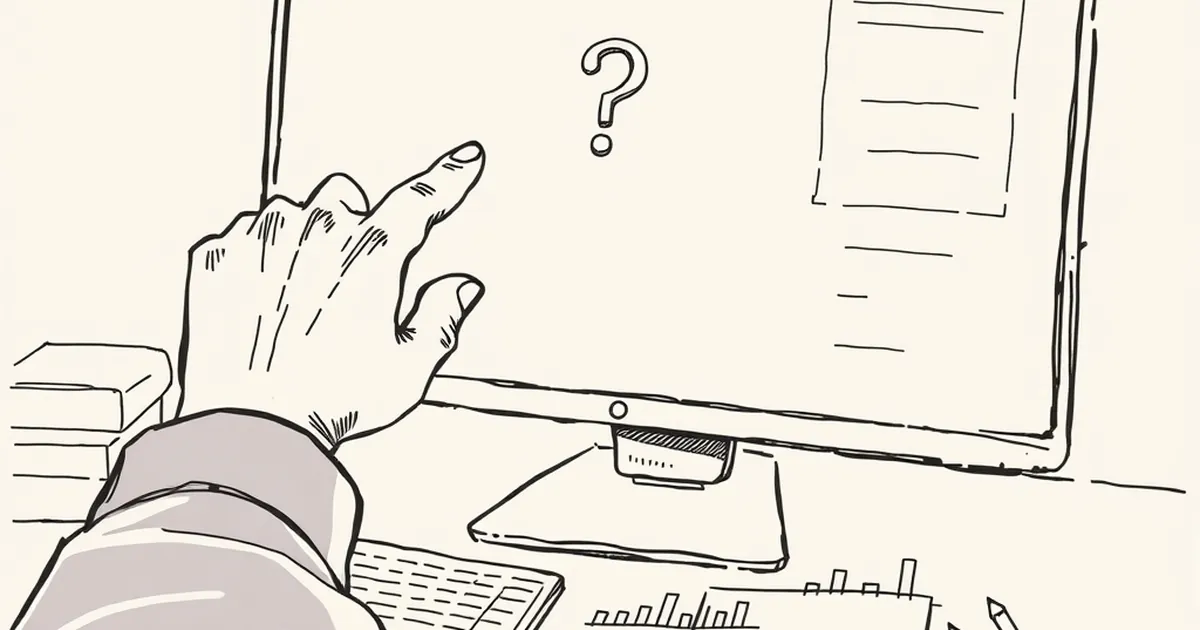
It’s a tiny, almost invisible design choice: the leaderboard that doesn’t update in real-time. You see your name, you see the number of points, but the rank next to it is stale until you manually refresh the page. For a business website, this feels like a bug. But for anyone who has ever stared at a progress bar, it’s a masterclass in manipulating attention.
The Psychology of the Pending State
We hate unfinished loops. That’s not a metaphor; it’s the Zeigarnik Effect, the cognitive bias where we remember interrupted tasks better than completed ones. When a leaderboard is static, your brain treats the rank as an open loop. You must hit refresh to close it.
Most designers think real-time updates are better. They’re not. Real-time is passive. The refresh button, however, is an active choice. It forces a micro-decision: Do I care enough to check? That tiny moment of deliberation is where engagement lives.
Variable Rewards Without the Slot Machine
You’ve probably heard of variable-ratio reinforcement—the idea that unpredictable rewards (like a pull on a lever) are more compelling than fixed ones. But we’re not talking about slot machines here. We’re talking about the delay between action and outcome.
When you click "Refresh," you don’t know if your rank went up, down, or stayed the same. That uncertainty is the hook. The difference is that the reward isn’t random—it’s tied to your effort. This is what game designers call earned randomness, and it’s far more sustainable for a business dashboard than a pure luck mechanic.
Loss Aversion: The Refresh as a Risk
Kahneman and Tversky taught us that losses loom larger than gains. A stale leaderboard weaponizes this beautifully. When you hit refresh, you’re not just checking for a win; you’re exposing yourself to potential loss. You might have dropped a spot.
Here’s where it gets interesting: the act of checking becomes the risk. You are voluntarily choosing to receive bad news. That’s a form of self-inflicted loss aversion. In a business context—think sales trackers or project milestones—this turns a passive report into an emotional event. The user isn’t just reading data; they’re gambling with their own ego.
The Competitive Spacing Effect
There’s a reason why we don’t put the refresh button next to the rank. We hide it in the header, or behind a pull-to-refresh gesture. This creates a "friction cost."
A 2018 study on user engagement (published in the Journal of Consumer Research) found that small delays in feedback increased perceived value of the outcome. When you have to scroll or reach for a button, the brain subconsciously inflates the importance of the information. It’s the same reason why a restaurant with a line must be good. The barrier to entry is part of the product.
A Practical Takeaway for Your Next Build
Stop trying to make everything instant. If you run a service marketplace, a freelance portal, or even a simple CRM, consider this:
- Hide the "expected completion" percentage. Show the last updated timestamp instead.
- Make the "Check Status" button a deliberate action, not an auto-refresh socket.
- Add a tiny delay (300ms) between click and result. Just enough to register the gap.
The forward-looking move isn’t to build faster feedback loops. It’s to build meaningful ones. The leaderboard that hides your rank isn’t a flaw—it’s a call to action. It whispers: You’re not done yet. And in a world of infinite distractions, that whisper is gold.
So next time you’re tempted to add a live-updating widget, pause. Ask yourself: What if I made the user ask for it? You might just find that the asking is the feature.
— creative mess