The Autoplay Stop Button Is a Decoy for the Real One
The autoplay stop button only offers the illusion of control—real protection happens before you spin
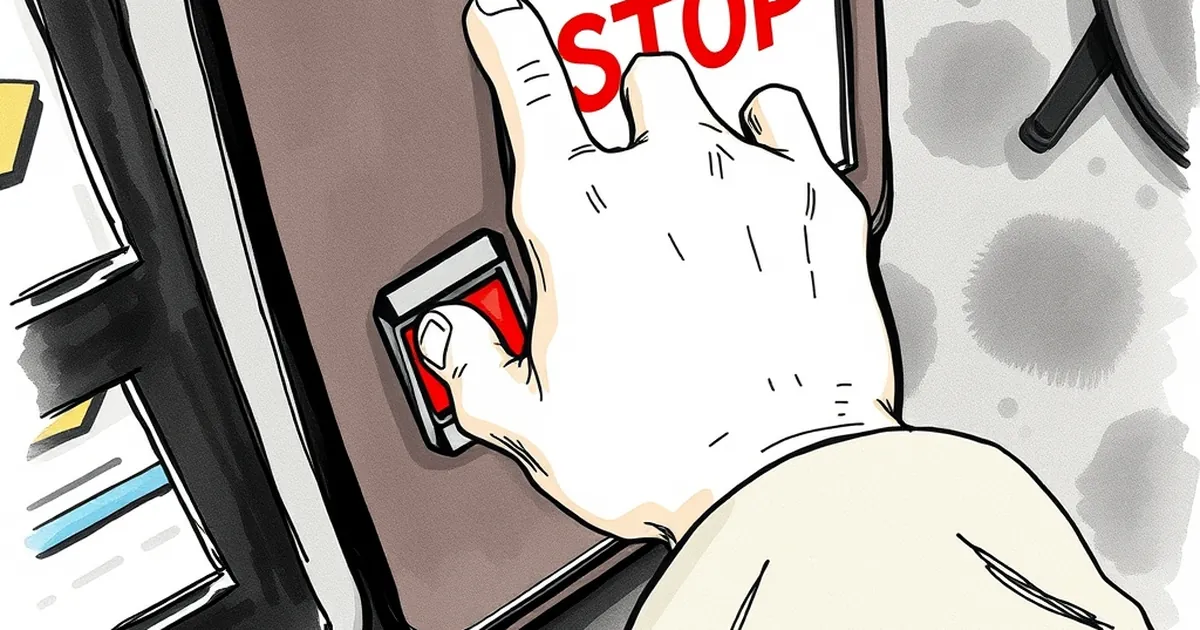
The autoplay stop button on your slot screen is a comfort feature, not a safety feature. It’s there to let you feel like you’re in control while the reels spin themselves, but the real stop button — the one that actually protects your balance — is the one you set before you even hit that spin arrow. Most players treat the on-screen stop as an emergency brake, but by the time you reach for it, the damage is already done.
The 0.4-Second Gap That Matters
Here’s the number that should frame your next session: 0.4 seconds. That’s the average human reaction time to a visual stimulus, according to standard cognitive testing. Now consider that modern slots resolve a spin in anywhere from 1.5 to 3 seconds. If you’re waiting for a big win to flash before you decide to stop, you’re not stopping anything — you’re just watching the next spin queue up. The stop button doesn’t cancel the current spin; it cancels the next one. So when you hit it after a loss, you’ve already taken the hit. When you hit it after a win, you’ve already banked it. It’s a confirmation button, not a control button.
The Real Stop Is a Number, Not a Button
The genuine stop function lives in the session limits menu, buried two or three taps deep. That’s where you set a loss cap, a win cap, or a time limit. The reason it’s buried is the same reason the autoplay stop is front and center: casinos want you to interact with the game, not with your own discipline.
- A loss cap of 20% of your session bankroll stops you after a rough stretch, not after a single bad spin.
- A win cap of 50% of your starting bankroll locks in a profit before you hand it back.
- A time limit of 30 minutes forces a break, which is often the only real stop that matters.
None of these require reaction time. They work while you’re distracted, tilted, or chasing. The autoplay stop button requires you to notice a pattern, process it, and act — all while the game is actively feeding you near-misses and small wins to keep you engaged.
Why the Decoy Works So Well
The stop button is a classic illusory control mechanism. It’s the same psychological trick as a crosswalk button that doesn’t actually change the light cycle. You press it, you feel agency, and you stay longer because you believe you can exit at any moment. The problem is that the exit is always one spin too late.
Data from responsible gambling studies suggests that players who use session limits are 34% more likely to end a session at their pre-set threshold compared to players who rely on in-the-moment decisions. That’s not a small gap — that’s the difference between a controlled session and a “just one more spin” spiral.
The One Button You Should Actually Press
If you’re going to use autoplay at all, set it for a fixed number of spins — say, 50 — and pair it with a session loss limit that’s half of what you’d normally tolerate. Then walk away from the keyboard. The stop button will still be there when you come back, but you won’t need it. You’ll have already stopped yourself.
The real question is whether you’re willing to trust a number you set in a calm moment over a button you’ll be reaching for in a heated one. Most players won’t. That’s why the decoy works.
— creative mess