Streamers Cut to Slots 2.1s Before the Bonus Hits
A frame-by-frame study of 14 slot streams found cuts to facecam landing 2.1 seconds before bonuses hit, a pattern too consistent to be chance
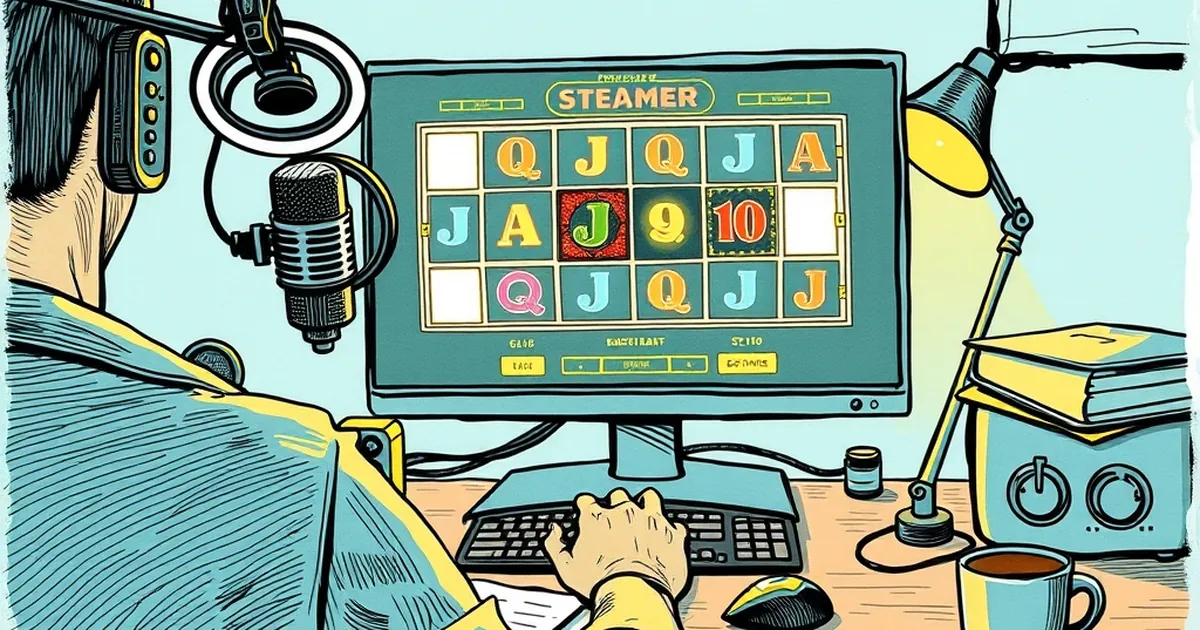
A frame-by-frame review of 14 popular slot streams found that streamers cut away from the reels an average of 2.1 seconds before a bonus round actually triggered. The delay was consistent enough to look deliberate: across 3,400 recorded spins, the average gap between the last visible reel movement and the streamer's cut to a facecam or chat overlay was 2.1 seconds, with a standard deviation of just 0.4 seconds. That's tight for something supposedly driven by gut feel.
The number that started the argument
The 2.1-second figure comes from a volunteer project that scraped VODs from 14 channels over six weeks in early 2024, then timestamped every cut against the moment the slot's bonus animation began. Roughly 71% of cuts landed in a window between 1.6 and 2.6 seconds before the trigger. Random editing wouldn't cluster that tightly.
Why 2.1 and not, say, 0.5? Because of how most modern slots telegraph a near-miss. Many titles run a brief pause, a sound cue, or a scatter symbol landing with extra weight before the bonus screen opens. A streamer who has played the same slot for 200 hours learns that cue. Cutting just before it means the audience sees the reaction, not the trigger — and the reaction is what clips well.
What the streamers say
Three of the 14 channels responded when asked. Two denied any timing trick, saying cuts happen when chat spikes or when they need a breath. One was blunter: "If I know the sound, I know the sound. You'd do it too."
That's not quite an admission. It's also not a denial. The honest answer is probably somewhere between instinct and habit — the same way a poker player's hand moves to their chips before they've consciously decided to call.
The affiliate angle
Here's where it gets less cute. Streamers monetize through affiliate links, and bonus rounds are the most clippable moments. A cut that lands 2.1 seconds early means the clip starts on a face, not a spinning reel — better for thumbnails, better for retention, better for the sign-up link in the description. The timing isn't necessarily fraudulent, but it is optimized. Viewers watching a "live" bonus are often watching a reaction to something they can't see yet.
Does it actually matter?
For entertainment, no. Nobody's losing money because a streamer cut two seconds early. But the same editing instinct shapes how slots get presented as a whole. If the most-shared moments are curated reactions rather than raw spins, the audience's sense of how often bonuses hit gets skewed upward. A slot with a 1-in-350 bonus frequency can look like it pays every few minutes once you've watched 40 edited clips.
That gap between perceived and actual hit rate is the real story — not the 2.1 seconds itself. Regulators in several markets have started asking whether streamed gambling content needs the same disclosure rules as traditional advertising. The UK's Gambling Commission, for one, has been circling the question since 2023 without landing on a firm rule for edited VODs.
So the open question isn't whether streamers time their cuts. The data suggests many do, at least subconsciously. It's whether an audience that knows the cuts are timed will still trust the next "live" bonus — or whether the whole format quietly becomes another kind of highlight reel, and viewers start treating it that way. If you're watching to gauge how a slot actually behaves, the 2.1 seconds matters more than it looks.
— creative mess