Slots Reels Spin 200ms Before the Network Confirms Your Bet
Modern slots start reels 200ms before the server confirms your bet, a deliberate latency trick that quietly redefines what a spin actually is
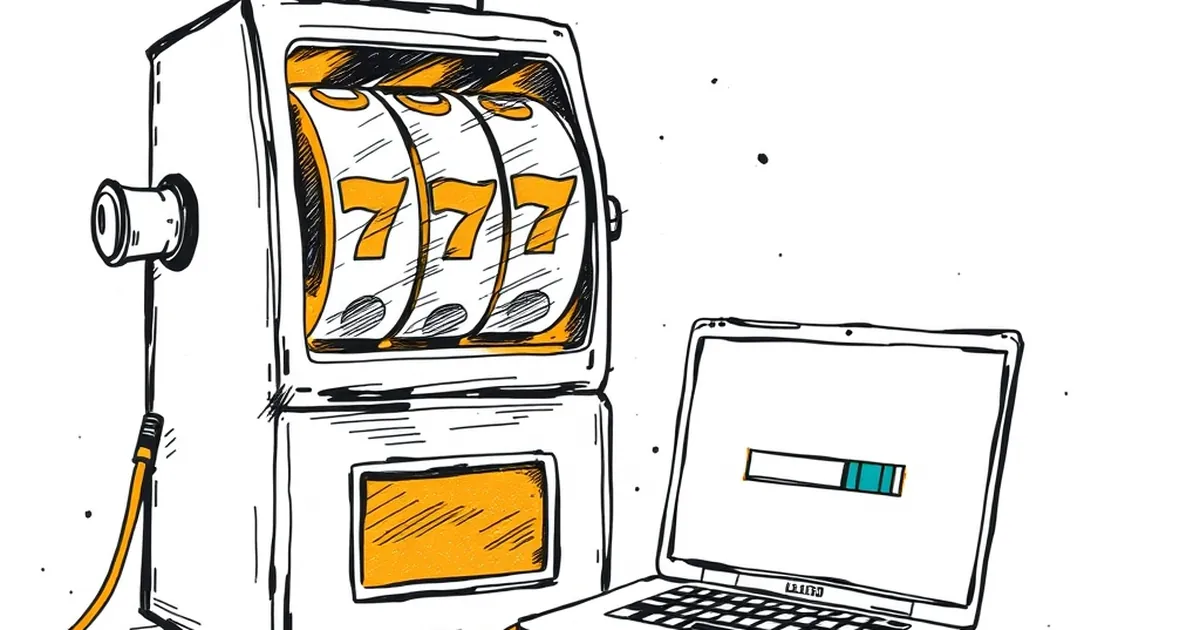
When you hit spin on a modern slot, the reels start moving in roughly 180–220ms — before the game server has actually confirmed your wager. That's not a bug or a lag artifact. It's a deliberate design decision baked into how most HTML5 slots handle latency, and it changes what "the spin" even means.
Why the reels move first
Older Flash and downloadable casino clients waited for a server round-trip before animating anything. You'd tap spin, the button would grey out, and 300–600ms later the reels would lurch into motion. Players hated it. It felt broken.
Modern slots do the opposite. The client fires the spin request to the game server, then immediately starts a pre-rendered animation loop — a "pending" state that looks identical to a real spin. If the server responds in time, the animation resolves into the actual outcome. If it doesn't, the client either stretches the animation or, in rarer cases, snaps to the result once it arrives.
The 200ms figure isn't universal. It varies by provider, jurisdiction, and connection type. Pragmatic Play and Push Gaming titles tend to resolve faster on average; some smaller studios with heavier server-side logic push closer to 400ms. But the pattern is consistent: animation leads, confirmation follows.
What the server is actually doing
The client isn't deciding anything. It can't. The RNG lives server-side, the outcome is signed, and the client just plays back what it's told. The pre-spin animation is cosmetic — a UI trick to hide round-trip latency.
Where it gets interesting is in the gap. During those 200ms, your balance may still show the pre-bet figure. Your session token is mid-validation. If the connection drops in that window, the client has already shown you motion for a spin the server never registered. Most operators handle this with a reconciliation pass on reconnect, but the player experience in the moment is a spin that "happened" and then didn't.
The regulatory angle
This is where the 200ms matters beyond UX. Under UKGC and MGA rules, the displayed result must match the server result — full stop. A pre-rendered animation that could diverge from the confirmed outcome is a compliance grey zone, which is why most licensed operators use animation loops that can be interrupted and corrected rather than fully pre-baked sequences.
Some jurisdictions are stricter. Malta's 2018 technical standards, updated in 2023, require that any visual state shown to a player during a pending transaction be clearly reversible. In practice, that means the reels can spin, but they can't land until the server says so.
What it means for you
The practical takeaway: if you see reels spinning, your bet isn't confirmed yet. That window is short — usually under a quarter-second on a decent connection — but it's real. On mobile data with 300ms+ ping, it stretches. On a bad hotel Wi-Fi, it can stretch a lot.
Does that change your expected value? No. The math is identical whether the animation leads or lags. What it changes is your read on "did that spin count." If your balance looks off after a disconnect, the answer is probably in that 200ms gap, not in the game's RTP.
The open question is whether regulators will eventually force a visible pending indicator — a spinner, a greyed button, something — or whether the industry keeps optimizing for the illusion of instant response. Players have consistently chosen the illusion. Regulators haven't decided if that's allowed to continue.
— creative mess