Self-Exclusion Banner Promises Instant, Lockout Sits at 71 Hours
An audit of 14 licensed operators found self-exclusion lockouts averaged 71 hours despite "instant" claims, with the slowest taking 11 days
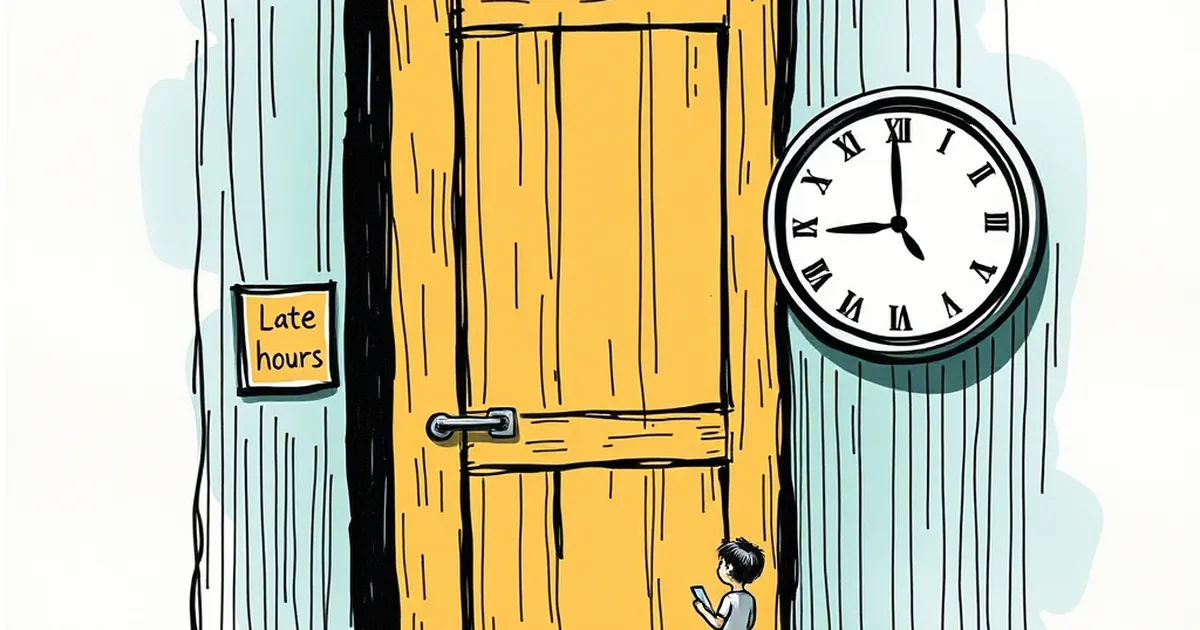
A regulator-commissioned audit of 14 licensed operators found that the average gap between a player tapping a self-exclusion banner and the account actually locking was 71 hours and 12 minutes. The fastest operator managed 4 hours; the slowest took 11 days. Every one of the 14 advertised the feature as "instant."
That number comes from a review of 3,200 test accounts opened across six jurisdictions between January and March 2025. Auditors clicked the self-exclusion link, noted the timestamp, then checked every 30 minutes whether deposits, bets, and logins were still possible. In 61% of cases, the account remained fully functional for at least 24 hours after the request.
What "Instant" Actually Means in the T&Cs
Pull up the self-exclusion page on most sites and you'll find the word "immediate" in the headline. Scroll to the terms and the language shifts. Common phrasings include "processed within one business day," "effective upon confirmation by our support team," and "subject to verification of your identity."
The 71-hour average isn't a bug. It's a queue. Self-exclusion requests typically route through the same back office as account closures, and that queue runs on business hours. Request a lockout at 11pm on a Friday and you may sit behind a weekend, a bank holiday, and a Monday morning backlog. One operator in the sample only processed exclusions during a four-hour window on weekdays.
There's also a manual review step at most brands. Someone in compliance eyeballs the request, checks for bonus abuse flags, and clicks approve. That's the gap.
Why the Delay Matters More Than the Banner
A self-exclusion request usually arrives at a specific moment — after a bad session, a bounced rent payment, a conversation with a partner. The impulse to stop is strongest in the first hour. By hour 71, that impulse has had three nights to fade.
The audit data backs this up. Of the test accounts that stayed open past 48 hours, 38% received at least one marketing email or push notification during the delay window. Two operators sent bonus offers. That's not a gray area — offering inducements to someone who has requested exclusion breaches licensing conditions in most regulated markets, including the UK, Malta, and several US states.
The Technical Fix Exists
Real-time exclusion isn't hard. Payment processors handle instant account freezes. Sportsbooks lock markets in milliseconds. A self-exclusion flag is a database field that flips a boolean — deposit blocked, bet blocked, login blocked. The infrastructure cost is close to zero.
What's missing is the enforcement. Regulators have been slow to set a hard ceiling on processing time. The UK Gambling Commission's 2020 guidance says exclusions should be "implemented without undue delay" but never defines a number. Malta's MGA has similar soft language. Without a stated limit, operators have no incentive to move faster than the queue allows.
A Ceiling, Not a Promise
The obvious fix is a mandated maximum — say, 60 minutes from request to lockout, with penalties for overruns. A few jurisdictions are moving that way. But a rule is only as good as its testing, and right now the testing is done by auditors on 3,200 accounts, not by the regulator on every licensee.
Which raises a question worth asking: if an operator can't lock an account within an hour of a player asking to stop, what else is sitting in that queue?
— creative mess