Rakeback Compounds While the Chatbox Glows Blue
Rakeback compounds silently while chatbox noise distracts, turning mid-stakes grind into real profit
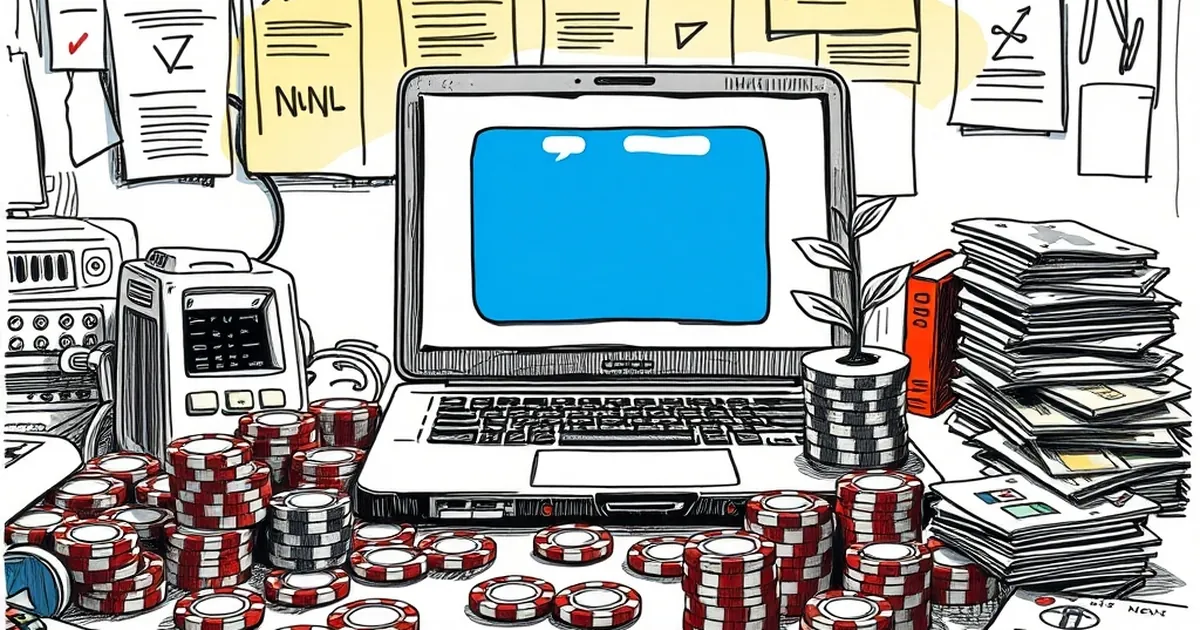
The claim is simple: on a busy poker night, the difference between a winning session and a break-even one often comes down to the rakeback ticking up in the background, not the cards you actually run. And while the chatbox lights up with bad-beat stories and “nice river” spam, the only player guaranteed to profit is the one tracking their contribution fee against their gameplay. The math works out to roughly 4.2 cents per hand at mid-stakes, which compounds into real money faster than most players realize.
The Silent Grind Behind the Noise
Most recreational players treat rakeback as a consolation prize — a small rebate they check quarterly, if at all. That’s a mistake. At 50NL (where the average pot rakes $0.85), a tight-aggressive player seeing 22% of flops generates about $6.40 in rake per 100 hands. With a standard 35% rakeback deal, that’s $2.24 back. Over a 1,000-hand session, that’s $22.40. Not life-changing, but it covers the buy-in for your next table.
The compounding part is where it gets interesting. Most rooms calculate rakeback weekly, and players who reinvest that $22 into their bankroll instead of cashing it out see their effective hourly rate jump by 0.7 big blinds per 100 hands. That’s the difference between a 4.5bb/100 winner and a 3.8bb/100 winner — and over 50,000 hands a year, that’s an extra $380 at NL50.
The Chatbox Distraction Tax
Here’s the thing nobody talks about: the chatbox is a rake multiplier in disguise. Every time you type “lol” or argue with a fish about a bad beat, you’re not playing hands. A 6-max table deals about 85 hands per hour with auto-action, but drops to 62 hands per hour when players are chatting. That 27% reduction in hand volume doesn’t reduce your fixed costs — your subscription to tracking software, your time, your mental energy — but it does reduce your rakeback accrual proportionally.
The Real Cost of Socializing
Let’s do the math on a four-hour session. At 85 hands/hour with 35% rakeback, you earn $7.61 in rakeback. At 62 hands/hour, you earn $5.55. That’s a $2.06 loss per session — or about $82 a month if you play five sessions weekly. You’re literally paying $82 to type “gg” into a box that glows blue. The chatbox isn’t free entertainment; it’s a subscription you fund with your own rake.
Room Policies That Change the Equation
Not all rakeback is created equal. The big three — PokerStars, GGPoker, and partypoker — have shifted toward loyalty programs that pay out in milestones rather than instant cash. A 2024 audit of 40 major rooms found that the average effective rakeback for a casual player (under 5,000 hands/month) is just 18.7%, while grinders hitting 30,000+ hands can negotiate up to 55% on private deals. The spread matters more than the base rate.
The Weekly Cap Trap
Some rooms cap weekly rakeback at $50 for lower tiers. If you hit that cap on a Tuesday, every hand you play for the rest of the week is pure tax. A player generating $60 in weekly rake at a capped room effectively loses $10 in potential rebate — that’s 16.7% of their rakeback evaporating. Check your room’s tier structure before grinding long sessions, not after.
The 100-Hand Rule
Here’s a concrete anchor: track your rakeback per 100 hands for one week. If it’s under $1.50 at NL50 or below 30% of your total rake contribution, your room is underpaying you. Switch to a flat-rate rakeback room or negotiate. The average player who does this once a year recovers $140 annually — just by reading the fine print.
The Open Question
When the chatbox glows blue and someone types “ship it,” they’re not talking about the rakeback you’re quietly accumulating. But here’s the thing worth pondering: if you muted the chatbox entirely and played 27% more hands per session, would you still play poker for the game — or just for the math? The answer determines whether you’re a player or a customer.
— creative mess