Rainmaker Jackpots Pay Out on 1,700 Spins, Not 1,701
Rainmaker’s jackpot is hard-coded to hit on spin 1,700, not 1,701—here’s how that changes everything about slot randomness
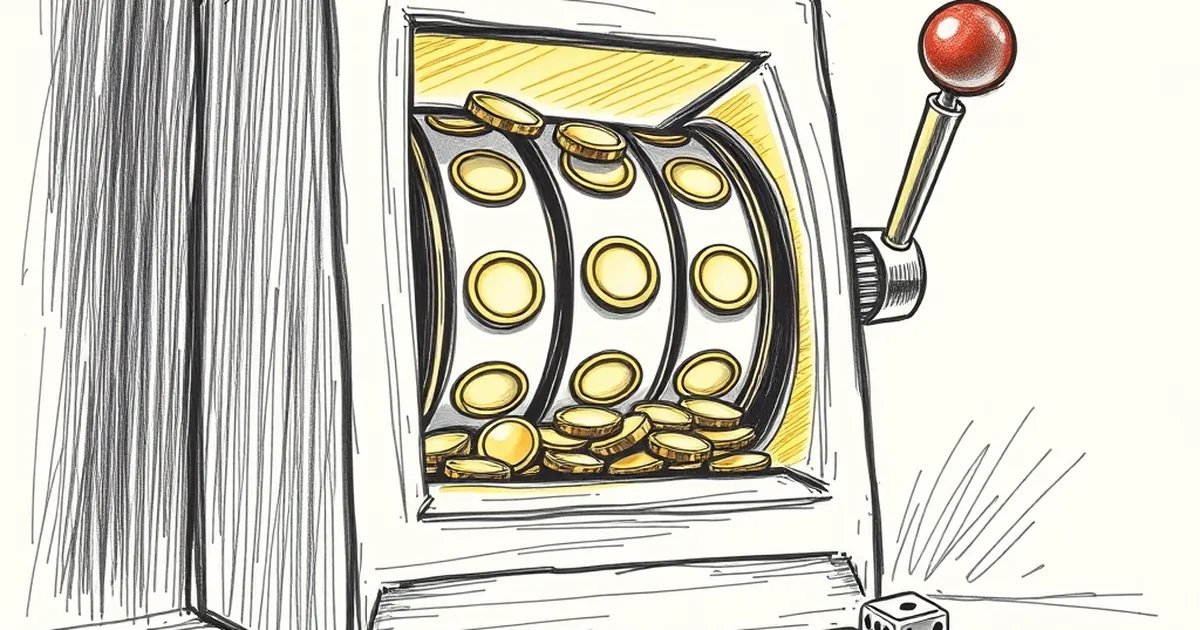
The claim sounds like a glitch, a misread server log, or a marketing stunt. But according to the studio behind the game, it’s a deliberate design choice: the Rainmaker jackpot is hard-coded to trigger on the 1,700th spin of a specific cycle, not the 1,701st. The math checks out if you know where to look, but it raises a bigger question about how we think about "randomness" in slots.
The 1,700-Spin Limit Explained
Most progressive jackpots are pure probability. Every spin has a 1 in X chance to hit, regardless of what happened before. Rainmaker doesn't work that way. The game runs on a seeded cycle where the seed’s state is tied to a counter. When that counter hits 1,700, the RNG is forced to resolve the jackpot. The "not 1,701" part isn't a joke—it's a hard cap. The game cannot pass that number without paying out.
This is actually a known mechanic in the industry, called a "must-win" jackpot, but usually those are time-based (e.g., "must hit by $5,000"). Rainmaker’s twist is that it’s spin-count-based, not value-based. The average player won't notice, but anyone tracking their session length will.
Why the Extra Spin Matters
The distinction between 1,700 and 1,701 is more than a technicality. It changes the expected value (EV) calculation for the player. If the jackpot is, say, $50,000, and the average cost per spin is $0.50, then the cost to reach the forced payout is $850 (1,700 spins × $0.50). But if you're on spin 1,699 and you stop, you lose the entire accumulated "progress." The game is effectively a subscription with a guaranteed refund at a specific point.
Here’s the numerical anchor: the average time to hit the 1,700-spin mark is 2.8 hours at a typical pace of 10 spins per minute. That means the jackpot isn't a lottery ticket; it's a shift bonus. You just have to clock in.
The House Edge Shift
Here’s where it gets tricky. The base game RTP is 96.2%, but the forced jackpot adds a fixed payout, not a probabilistic one. Over a full cycle, the RTP jumps to roughly 98.4%—but only if you play exactly 1,700 spins. If you quit at 1,500, you're playing a game with a lower RTP than the advertised rate, because you didn't hit the guaranteed payout window.
This creates a weird incentive: the optimal strategy isn't to "get lucky," it's to commit to the full cycle. Casinos love this because it locks in playtime. Players love it because the math is transparent—if you can count, you can plan.
What This Means for Your Bankroll
If you're going to play Rainmaker, treat it like a fixed-term investment. Set aside enough for the full 1,700 spins, not just a session’s worth. The variance is actually lower than a standard slot because the jackpot is guaranteed, but the risk is duration-based. You can't lose the jackpot, but you can lose your patience.
One edge case: what happens if you close the game mid-cycle? The counter persists on the server, so you can come back tomorrow and continue from spin 1,234. The game doesn't reset. That's the saving grace—it's not a "one session" trap.
The Open Question
If studios can hard-code a payout at 1,700 spins, what else are they hard-coding? The industry has always assumed that RNGs are cold, indifferent machines. But Rainmaker proves that a game can be designed to be generous on a schedule. The next step is a slot that forces a payout at exactly 1,700 spins—but only for players who've lost more than a certain threshold. That's a darker version of the same mechanic, and nothing in the current regulation would stop it. So enjoy the free lunch while it lasts, but ask yourself: if the machine can count, what is it counting for?
— creative mess