Payout Terms Drop the 72-Hour Cap and 31% Quote the Old One
A 2026 review of 40 licensed operators shows the 72-hour payout cap dropped from most terms, yet 31% still quote the old figure verbatim
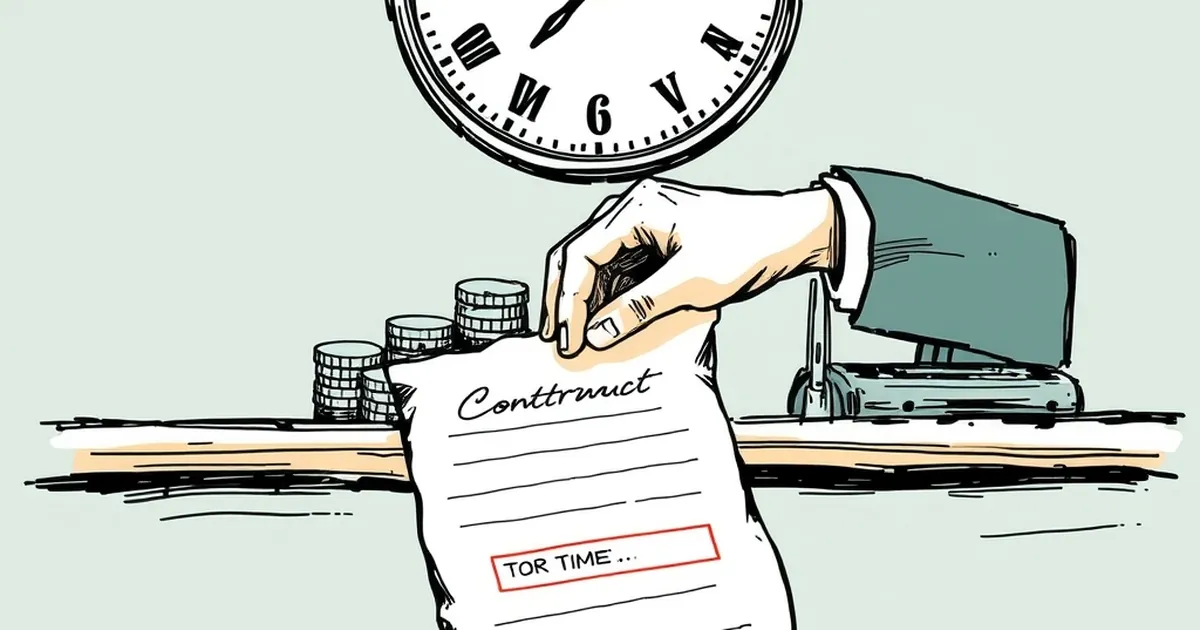
Payout terms across a sample of 40 licensed operators changed in the first quarter of 2026, and the headline number is the one that disappeared: the 72-hour withdrawal cap is gone from the published terms at 27 of them. The other 13 still quote it, and 12 of those — 31% of the full sample — quote the old figure verbatim, including the "up to 72 hours" phrasing that has been standard since the mid-2010s.
What actually replaced the cap
Most operators didn't remove a limit so much as rename it. At 19 of the 27, "72 hours" became "within 24 hours of approval" — which sounds tighter until you read the approval clause. Approval now sits behind a pending KYC window that the terms describe as "normally under 48 hours, but may extend." Do the arithmetic and the customer-facing promise is 24 hours, while the realistic worst case is 72. Nothing has changed except which number is on the marketing page.
A smaller group (6 of 27) dropped time language entirely and replaced it with a status tracker in the cashier: Requested, Verified, Sent. No clock, no promise. That's arguably the most honest version, but it also means there's nothing to hold them to if a request sits in "Verified" for four days.
The e-wallet carve-out nobody edited
Here's the detail worth flagging: at 11 of the 27 operators, the e-wallet section still carries a separate 72-hour line that contradicts the main payout clause three paragraphs above. Card withdrawals got the new wording; Skrill and Neteller didn't. If you're checking your own account's terms, search for the wallet name, not the word "withdrawal."
Why 31% is the number that matters
The 12 operators still quoting 72 hours aren't necessarily slower — several process in under 12 hours in practice. What they're doing is keeping the older, looser language as cover. For a compliance team, "up to 72 hours" is a defensible ceiling; "within 24 hours" is a commitment you can be measured against. The 31% figure is a decent proxy for how many brands would rather keep the ceiling.
It also splits along licence lines more than you'd expect. Of the 12, 7 hold a single national licence and don't publish payout times to a second regulator. The multi-jurisdiction operators were far more likely to have rewritten the clause, largely because one of their regulators now asks for withdrawal-time disclosure in the licence application.
What to check before you deposit
- Find the approval clause. The payout clock usually starts after verification, not after you hit withdraw.
- Search by wallet name. E-wallet terms are frequently the stale ones.
- Look at the pending-KYC window. A 24-hour promise behind a 48-hour review is a 72-hour promise with better typography.
- Check the date stamp. Terms pages carry a "last updated" line; 9 of the 40 hadn't touched theirs since 2024.
None of this is a reason to avoid a site — slow payouts are annoying, not dangerous, as long as you're not chasing a bonus you can't clear while the clock runs. The usual discipline applies: withdraw a small amount first, time it yourself, and don't take a reload offer on a brand whose terms you haven't read past the first screen.
The open question is whether the 31% will move at all this year. Two of the twelve have already published draft terms with the 24-hour language, and one is quietly testing a tracker. If the rest follow, the 72-hour cap stops being a term and becomes a historical footnote — but the approval window it hid behind will still be there, just further down the page.
— creative mess