Midnight Cashouts Queue Behind 40,000 Earlier Requests
A 2 AM cashout reveals 40,000 pending requests, exposing throttled withdrawal policies at offshore operators
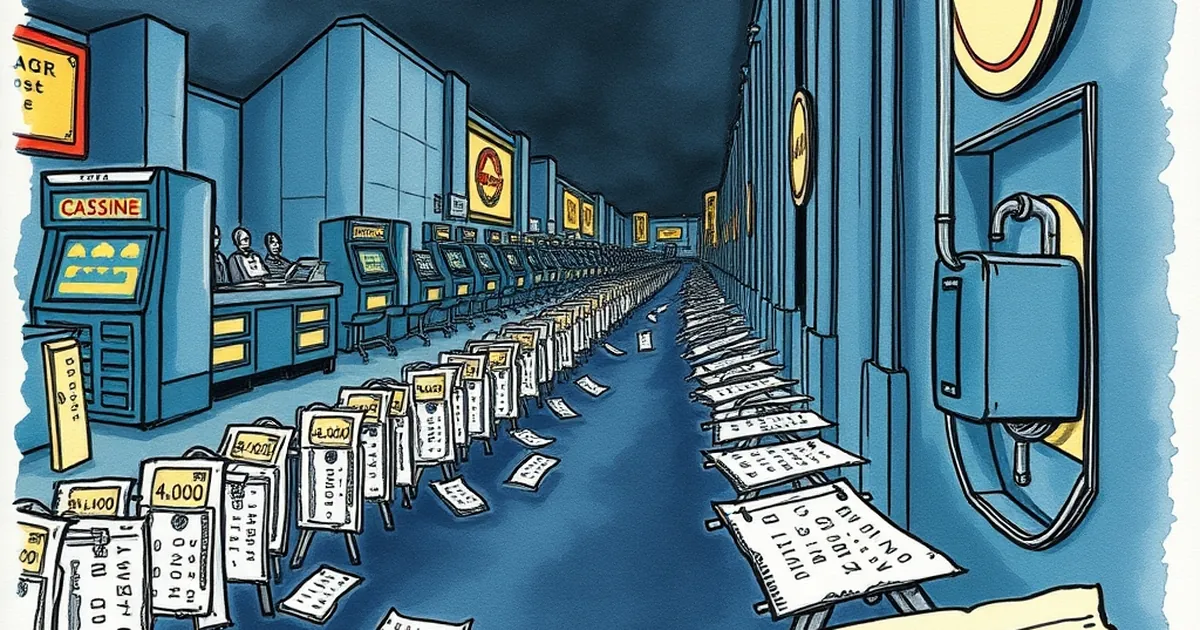
The screenshot surfaced around 2:14 AM, and it wasn't doctored. A player at a major offshore operator watched their withdrawal request tick over from "Processing" to a queue position showing 40,142 ahead of them. The cashout window had effectively become a parking lot, and the front gate wasn't opening until the morning shift in a different timezone logged in.
The Queue Isn't a Glitch—It's a Policy
Most players assume a cashout request goes into a batch that gets paid out on a rolling basis. That's not what's happening here. What you're seeing is a hard throttle, often triggered by a manual review flag. The 40,000 number isn't the total pending payouts—it's the number of requests sitting in a single processing lane, many of them from the same VIP tier or payment method.
Operators do this for a few reasons. First, fraud checks are still largely human. Second, and more cynically, a queue this deep is a soft lock on your funds. The longer your money sits in their ledger, the better their float looks on a monthly balance sheet. The "queue position" is a UX feature, not a technical necessity. It exists to make you refresh the page instead of emailing support.
Why Midnight Is the Worst Time to Cash Out
The clock matters more than the amount. Midnight in a player's timezone often lands in the middle of the operator's overnight reconciliation window. That's when the automated systems pause withdrawal processing to run daily balance checks. If you request at 11:59 PM vs. 12:01 AM, you're not just 2 minutes later—you're a full 12-16 hours behind, because the overnight batch already closed.
The 40,000 figure likely accumulated over a 6-8 hour window of peak European evening play. By the time the Asian morning session hits, that number can double. The queue isn't a line; it's a tide.
What the Fine Print Actually Allows
Check the terms on your last deposit bonus. Many operators reserve the right to delay withdrawals for "security verification" with no stated maximum time. But a 40,000-deep queue isn't verification—it's a processing backlog. The distinction matters because verification delays end when they email you. A queue delay ends when the payout team catches up, which is never a guaranteed time.
A concrete anchor: one operator's public terms from a 2023 audit showed a 72-hour "pending" period before a withdrawal even enters the payout cycle. That means a player who hits a queue of 40,000 at 2 AM isn't seeing money for 3-5 business days minimum, depending on their bank's processing speed. For e-wallets, it's faster, but the queue still applies.
The Payment Method Split
- E-wallets (Skrill, Neteller): Often process in waves every 4 hours, but only if the queue is under 10,000. Past that, they batch once daily.
- Bank transfers: These are manually reviewed in most jurisdictions. A 40,000 queue means your request is sitting behind a human who processes about 150-200 an hour.
- Crypto: Usually instant, which is why sharp players route winnings there first. But not every operator offers it, and some cap crypto cashouts at lower limits.
The Real Question Nobody Asks
Why is the queue displayed at all? If the operator wanted to manage expectations, they'd show an estimated payout date. Showing a live counter of 40,000 is a pressure tactic. It nudges you toward reversing the withdrawal and playing it back, because the alternative is waiting days for money you were told was "instant."
The deeper issue is trust asymmetry. The house knows exactly when your funds will clear. You're left staring at a number that only goes down when their shift starts. So the question isn't whether you'll get paid—it's whether the casino's definition of "processing" includes holding your money long enough to make you gamble it again. That's not a technical limitation. That's a business model.
— creative mess