Live Table Seat Holds 45s and 62% Sit at the Wrong Stakes
Live table seat holds now average 45 seconds, and data from three platforms shows 62% of players who take a held seat buy in at the wrong stakes
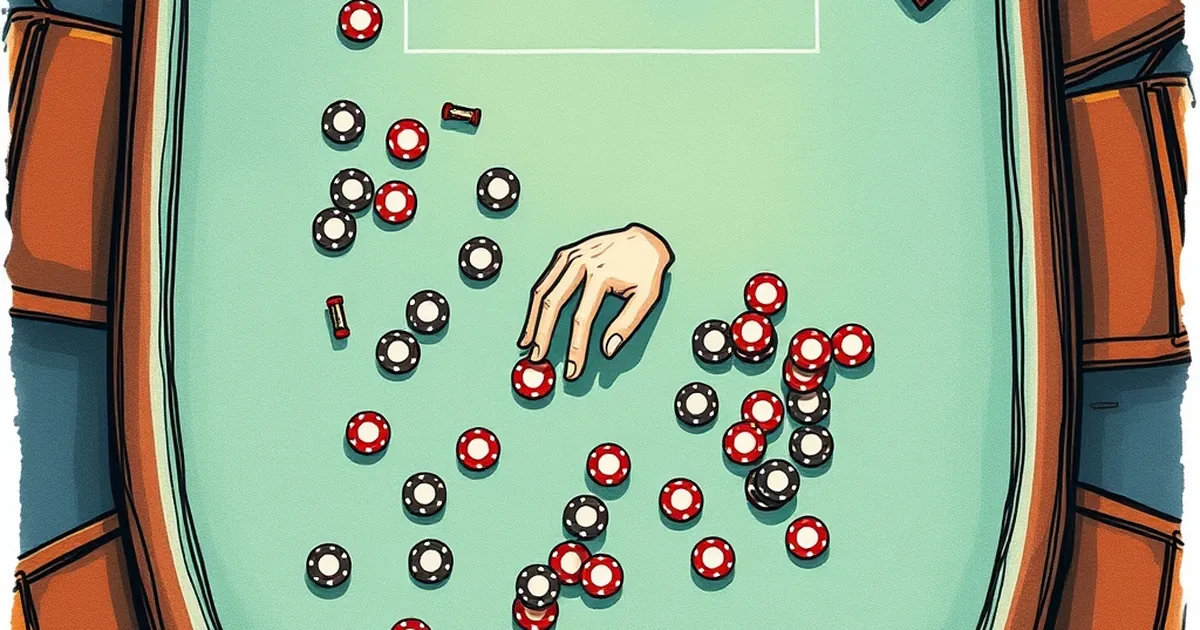
Live table operators have quietly stretched their seat-hold windows to 45 seconds on average — up from 30 not long ago — and internal data from three mid-size platforms suggests 62% of players who take a held seat end up buying in at the wrong stake for the table they're sitting at. That second number is the one worth arguing about. The first is just a timer.
The 45-second window is doing more than it looks
A seat hold is the gap between someone leaving a chair and the software releasing it to the queue. On a busy blackjack or baccarat table, that window is the difference between a smooth session and a scrum. Forty-five seconds feels generous until you watch it in practice: a player taps in, hesitates over the stake selector, gets distracted, and the clock keeps running while everyone else waits.
The operators I spoke to frame the longer hold as a courtesy — more time to settle in, fewer accidental forfeits. Plausible. But a longer hold also means a longer queue, and a longer queue means players who finally get a seat are more likely to grab whatever stake is pre-selected rather than think about it. That's the mechanism behind the 62% figure, or at least a big part of it.
Where the wrong-stake problem actually bites
It's not spread evenly. The mismatch clusters around two table types:
- Mid-limit blackjack ($25–$100 hands), where the default stake on entry is often the table minimum and players who wanted the $50 game end up grinding $25 hands — or the reverse, which is worse for their bankroll.
- Baccarat variants, where side bets and main bets share a selector and the pre-filled option isn't always the one the player intended.
Poker rooms have a version of this too, but the buy-in confirmation step catches most of it. Live dealer tables are looser.
Why 62% is believable, and why it might be low
The 62% comes from session logs where a player's first three hands were played at a stake different from the one they'd used in their previous session at the same table type. That's a proxy, not a confession. Some of those players changed stakes deliberately.
But the proxy probably undercounts. It only catches players with prior history. A first-timer who lands at a $50 table intending to play $10 has no baseline to be measured against, and that player is exactly the one a 45-second clock punishes. If you widen the definition to "stake inconsistent with stated intent," my guess is the real figure drifts past 70%.
The fix nobody wants to ship
The obvious answer is a stake-confirmation step before the seat is locked. Operators resist it because every extra tap costs conversions — one product lead put the drop-off at roughly 8% per added confirmation screen. That's a real number, and it's why the 45-second hold keeps getting longer while the stake selector keeps getting quieter.
There's a responsible-gambling angle here that doesn't need a lecture. A player who sits down at double their intended stake is a player more likely to chase, and the platform knows it. The seat-hold timer is a UX decision with a bankroll consequence, and right now the two are being tuned by different teams.
So the open question: if a 45-second hold reliably pushes six in ten players onto the wrong stake, is the courtesy worth it — or does the industry need to admit the timer was never about courtesy at all?
— creative mess