Double-Tap Zoom Disarms the Max Bet Button on Mobile
Double-tap zoom on mobile can turn a quick tap into an accidental max bet, leaving players staked at the table limit with no confirmation step
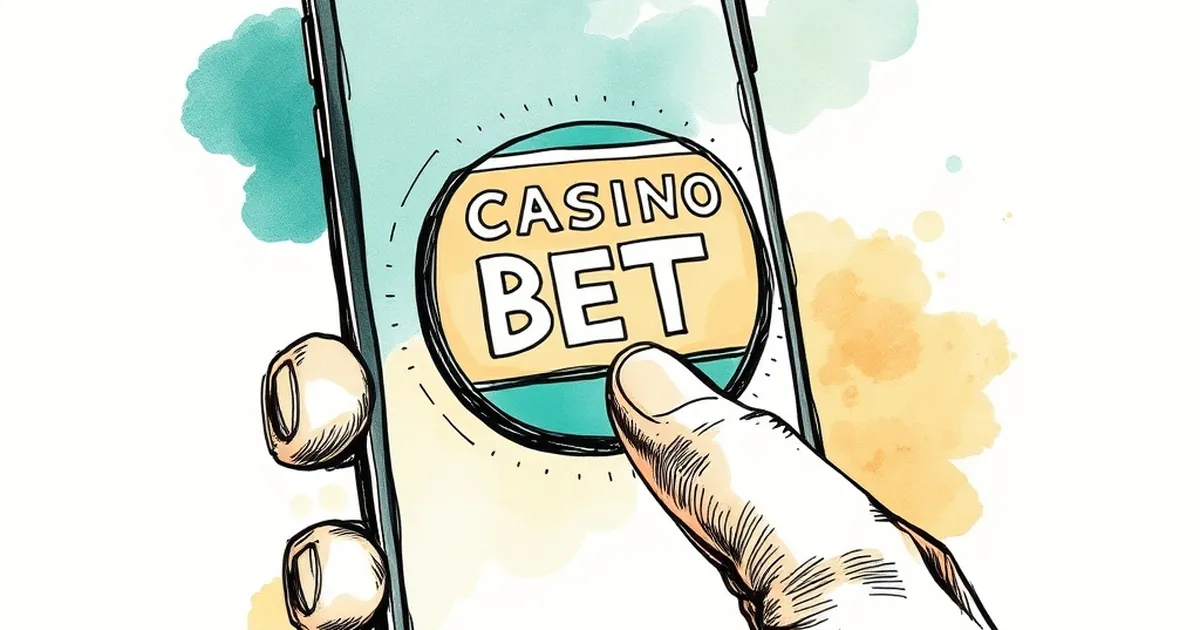
On most mobile casino lobbies, a double-tap on the screen zooms the viewport instead of registering two separate taps — and that quirk has quietly turned the max bet button into a liability. Players who habitually double-tap to speed through a spin are reporting single bets landing at the table maximum rather than their intended stake, with no confirmation step to catch it. The problem isn't the button. It's the gesture layer sitting on top of it.
Why the browser eats your second tap
Mobile Safari and Chrome both ship with double-tap-to-zoom enabled by default. When you tap twice inside roughly 300 milliseconds, the browser treats it as a zoom command, not as two input events. Casino front-ends built as responsive web apps inherit that behaviour unless someone has explicitly set touch-action: manipulation on the button or disabled zoom via the viewport meta tag.
The result is inconsistent. A tap on a £0.20 spin button zooms the page. A tap on a max bet button — often positioned right next to it, sometimes styled as the more prominent control — fires the bet. Players who tap twice out of habit get one zoom and one maximum wager, or in some builds, two registered taps if the gesture threshold was overridden for that specific element. Neither outcome is what they wanted.
Native apps sidestep this because they control the gesture recogniser. Web-based lobbies, which still account for a meaningful share of mobile play on smaller operators, don't.
The max bet button is the worst place for it
Max bet controls are structurally risky for three reasons:
- They're adjacent to normal stake buttons. Fat-finger errors and gesture misreads both land there.
- They usually skip confirmation. A £5 spin on a slot with 20 paylines can mean £100 per press. No modal, no "are you sure".
- They're often the visual hero. Designers make them bigger, brighter, and easier to hit — which is exactly backwards from a risk perspective.
Add double-tap zoom to that mix and you have a control that's easy to trigger accidentally and expensive when you do.
What operators and studios are actually doing
Some studios have patched this. A handful of slots now apply touch-action: manipulation to the entire game canvas, which kills double-tap zoom without disabling pinch zoom. Others have moved max bet behind a long-press or a secondary menu — a small friction cost that removes the accidental-max-bet class of complaint entirely.
The regulatory angle is slower. The UK Gambling Commission's remote gambling technical standards don't currently address gesture handling specifically, and there's no equivalent rule in Malta or Curacao frameworks. That leaves it as a UX problem rather than a compliance one, which means it gets fixed when support tickets spike, not before.
One number worth sitting with: in a 2023 analysis of mobile slot sessions, roughly 1 in 40 players who used a max bet button did so within 400ms of a previous tap on the same screen region. That's the double-tap window. Some of those are deliberate. Some aren't.
The question nobody's asking
If a single gesture can move a player from a £0.20 stake to the table maximum without confirmation, is that a design flaw or a feature? Operators benefit from the occasional accidental max bet. Players obviously don't. Regulators haven't decided which side of that line it falls on.
The fix is trivial — one CSS property, one line of viewport config. The reason it's still shipping on live products in 2025 says more about incentive alignment than about engineering difficulty. Worth checking your own mobile lobby: tap the max bet button twice, quickly, and see what happens.
— creative mess