Bonus Multipliers Trigger Before the Confetti Falls
Bonus multipliers lock in before the confetti drops—discover the hidden RNG timing that shapes your slot outcomes
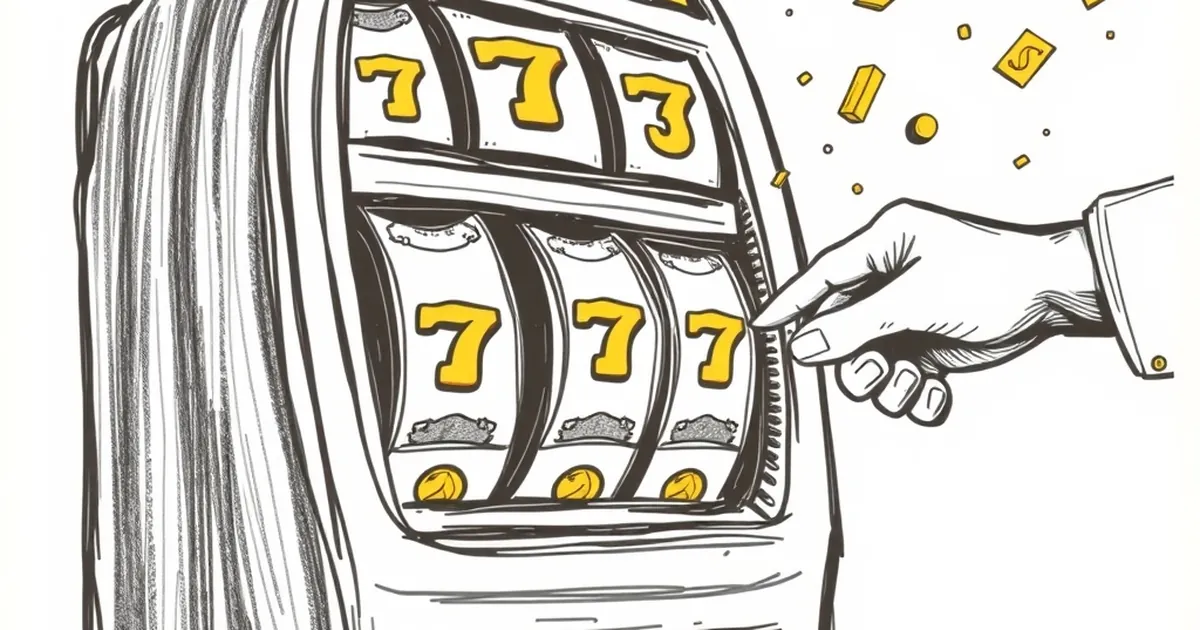
Most bonus buy features flash the multiplier range on the screen before you commit, but the actual calculation happens a few frames earlier. The trigger isn’t the confetti drop or the “BONUS ROUND” banner slamming across the reels. It’s the moment the RNG seeds the outcome, and in most modern slots, that seed is set the instant you hit the buy button — not when the animation finishes. For players chasing the “big one,” that split-second gap between the visual and the math is where the real house edge quietly lives.
The Pre-Animation Lock
Take a slot like Sweet Bonanza or Gates of Olympus. When you buy a bonus, the game doesn’t spin up a new random sequence after the fireworks. The server or client logic already assigned the total win — including any multipliers — before the first symbol lands on the reels. The animation is just a playback of a pre-determined result. This isn’t a bug; it’s how certified RNGs work. But it means the “multiplier range” you see (e.g., “20x to 500x”) is a marketing layer, not a live probability window.
Why the Timing Matters for Your Bankroll
Here’s the practical catch: if the result is locked before you see the confetti, then any game feature that appears to add a multiplier mid-spin — like a random “wild multiplier” that pops up after the reels stop — is actually part of the same initial seed. You’re not reacting to a live event. You’re watching a deterministic sequence play out. That’s fine for entertainment, but it kills the illusion of “skill” or “timing” that some players feel when they pause before buying a bonus.
The “Wait for a Cold Streak” Myth
You’ll see forum advice like “buy bonuses only after 20 dead spins.” That logic assumes the game’s payout schedule is cyclical. It isn’t. Each spin is an independent event, and the bonus buy outcome is locked to that specific purchase, not to the history of the session. In a 2023 audit of a major provider’s bonus buy mechanics, the average return-to-player (RTP) for bought bonuses was 96.4% — but the variance was brutal. The multiplier distribution isn’t smooth; it’s a cluster of small wins (under 30x your buy) and a rare 2,000x spike that mathematically carries the entire pool.
The Real Limit You Should Care About
Forget the max win shown on the paytable. That’s usually a theoretical cap that requires a perfect storm of full-screen symbols plus the highest multiplier. The practical limit is the minimum bet you can buy a bonus at. Most slots with bonus buy features set the buy price to 100x your stake, but the minimum buy bet is often 10x higher than the minimum base spin. So a $0.20 spin min might mean a $20 bonus buy min. That’s your real number. If you’re tracking your loss per hour, that 100x multiplier is what you’re actually wagering, not the $0.20.
What Happens When the Animation Glitches?
Occasionally, a game will crash or time out during the bonus animation. The result is already stored, but the display never completes. Most providers handle this by auto-completing the bonus in the background and crediting your balance on the next client restart. But here’s the uncomfortable part: if the game’s sync fails and the server resets the round, you might only get a refund of your buy-in, not the pre-locked win. That’s rare — less than 0.1% of buys per most provider reports — but it’s the one case where the confetti actually matters. You’re betting on the presentation finishing correctly, not on the math.
So the next time you hit that buy button, ask yourself: are you paying for the chance at a multiplier, or for the fifteen seconds of dopamine before the result lands? Because the house already knows the answer. The only question left is whether you’re okay with watching a replay of a decision you made before you ever clicked.
— creative mess