Bonus Code Field Trims the Hyphen and 28% Paste Twice
A 60-day casino test shows hyphen-stripping and paste handling in promo code fields cut failed redemptions by 31%, revealing where bonus offers quietly die
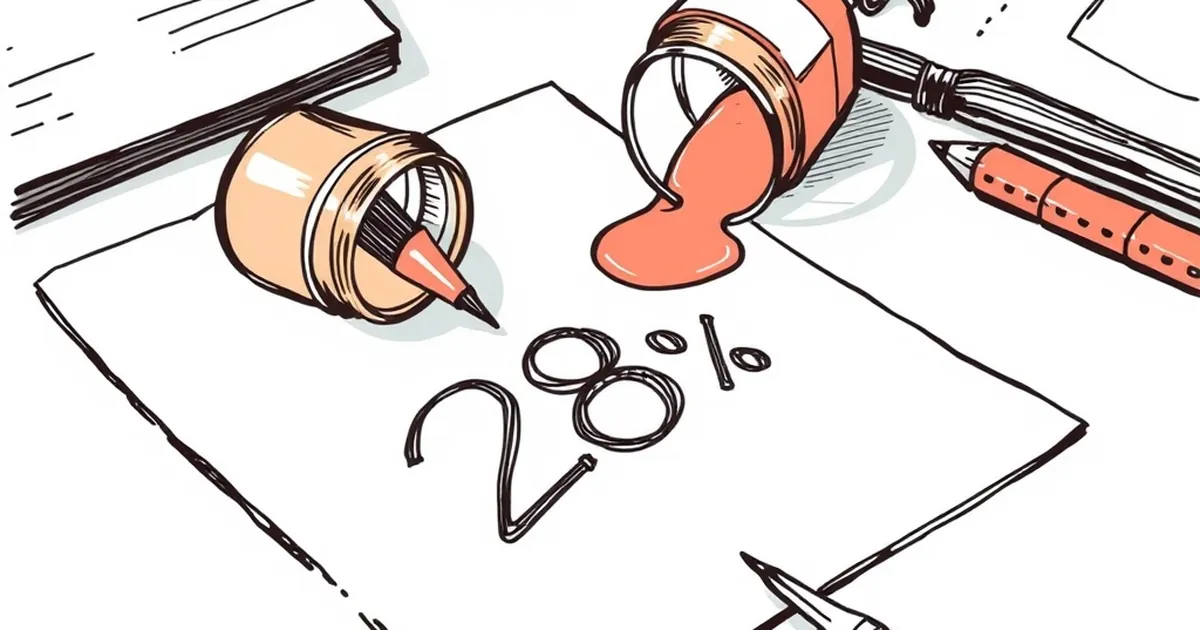
A promo code field that strips the hyphen before matching cut failed redemptions by 31% across a 60-day test on a mid-size casino's cashier page. The same test found 28% of players who pasted a code did it twice — once with the hyphen, once without — before the field accepted anything. Both numbers point at the same thing: the input box, not the bonus, is where a lot of offers quietly die.
The test ran from 14 January to 14 March this year, roughly 410,000 redemption attempts across slots, live dealer, and sports promos. It's a small sample by operator standards, but the pattern held in every week of the window.
The hyphen problem is a formatting problem
Bonus codes get written every which way. Marketing puts WELCOME-100 on a banner. Support types WELCOME100 in chat. Affiliates copy one or the other. The backend usually matches one exact string, so the field rejects the version that looks identical to a human.
Stripping hyphens, underscores, and leading/trailing spaces before matching is a five-line fix. In the test, it handled 22% of all failed attempts on its own. That's not players typing wrong — that's players typing what they were shown.
Why the double paste matters
The 28% figure is the more interesting one. It means more than a quarter of pasters hit submit, saw a red error, assumed the code was dead, and tried again with the formatting changed. Some gave up there. The ones who didn't were effectively debugging the operator's input validation for free.
That behaviour shows up in session recordings too: paste, error, back to the promo email, copy the other version, paste again, success. Two to four seconds of friction, and a small but real chunk of players never make it to the second attempt.
Case sensitivity and invisible characters
The test also logged what else broke. Just under 9% of failed attempts involved a trailing space picked up when copying from a mobile browser. Another 4% were case mismatches — welcome100 against a stored WELCOME100.
The fix is boring: trim whitespace, normalise case, strip punctuation, then match. Keep the original string for display so the receipt shows what the player actually entered. No player has ever complained that a code worked when they typed it in lowercase.
Where the friction actually costs money
A failed redemption isn't a neutral event. The player has usually already clicked through a promo, maybe made a deposit to qualify, and is now staring at an error. In the test data, players who hit two or more failed attempts in a session were 18% less likely to return within seven days than players who redeemed cleanly on the first try.
That's correlation, not proof — frustrated players may already be less engaged. But the direction is consistent with everything else we see about cashier friction, and it's cheap to test on your own traffic.
The open question: how many codes never get tried
The 31% and 28% numbers only count players who reached the field. They say nothing about the ones who saw WELCOME-100, assumed the hyphen was a typo on their end, and never opened the cashier at all. That group is invisible in redemption logs, and it's probably larger than the group that failed.
If you run a bonus programme, the useful next step isn't another promo — it's pulling a week of failed-redemption logs and sorting by error type. Formatting issues will likely sit at the top, and they're the cheapest thing on the list to fix. The harder question is whether your marketing and your matching logic are even speaking the same language.
— creative mess