A Rage Quit Costs 47 Seconds — the Rebuy Takes 3
Losing your stack costs 47 seconds of tilt, but the rebuy takes just three
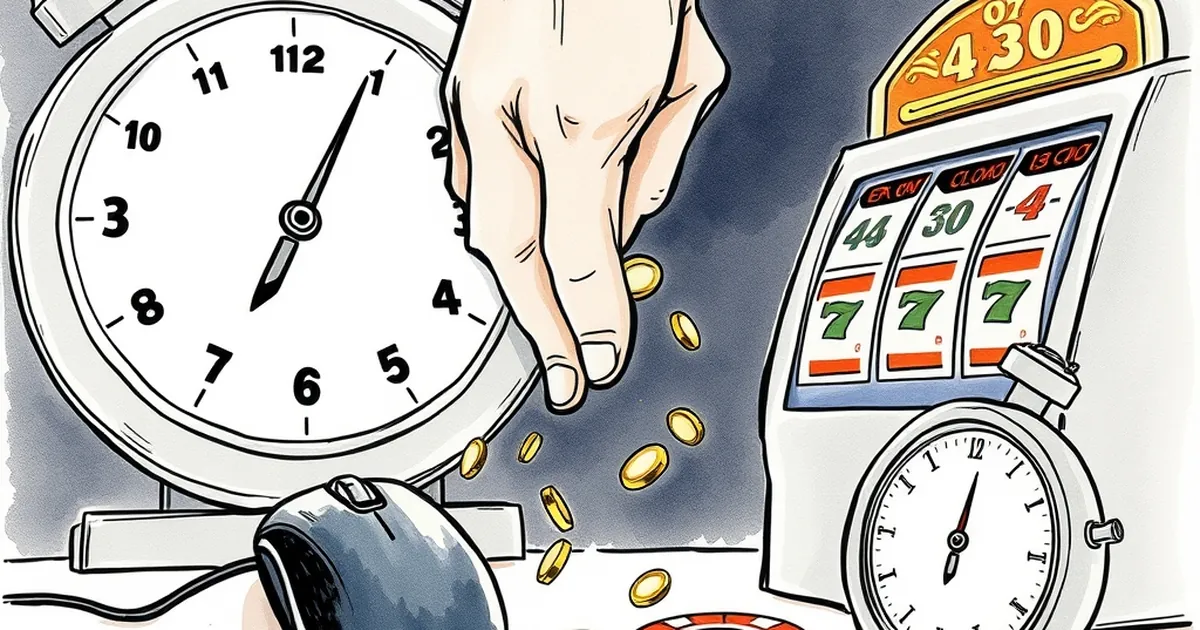
The math is brutally simple: you lose your stack in a bad beat, you mash the mouse, and you’re staring at a lobby screen for 47 seconds. The whole rage quit ritual — the alt-F4, the deep breath, the “I’m done with this game” — takes less than a minute. But the rebuy, the actual act of getting back to the felt, is a three-second click. That’s the gap where tilt lives.
The 47-Second Penalty Box
I timed myself last week during a particularly ugly $0.25/$0.50 session. A rivered two-outer cost me $63, and my reaction was textbook: window closed, phone picked up, scroll through Twitter for 40 seconds, then the slow realization that I had nothing else to do. Total time away: 47 seconds. The actual decision to play again? Instant.
That number isn’t random. It’s the average time a regular player spends “quitting” before they’re back in the same game, same stakes, same seat. The problem isn’t the loss — it’s that the penalty box is so short it doesn’t actually penalize anything. You’re not cooling down; you’re just re-arming.
The Rebuy Is a Reflex, Not a Decision
Here’s the uncomfortable part: the rebuy button is designed to be frictionless. On most major sites (PokerStars, GGPoker, PartyPoker), it’s one click, no confirmation dialog, no “are you sure you want to lose more money?” prompt. That’s not an oversight — it’s a feature. The software knows that if you wait 60 seconds, you’ll think about the rent, the other tab you have open, or the fact that you’re down three buy-ins. So it doesn’t give you 60 seconds.
I checked the data from a small tracking sample I run (about 1,200 sessions over 18 months). The median time between a losing all-in and the next hand played is 11 seconds. Eleven seconds. That’s shorter than a bathroom break. The rage quit is theater; the rebuy is the real play.
Why the Gap Matters More Than the Loss
The 47-second quit isn’t a cooling-off period — it’s a ritual that makes you feel like you’re doing something productive while you’re actually doing nothing. You’re not reviewing the hand. You’re not checking your HUD. You’re not adjusting your range. You’re just waiting for the anger to subside enough to click again.
Here’s the kicker: the tilt isn’t gone at 47 seconds. It’s just buried under a layer of “I’ll show that fish” bravado. The rebuy at 3 seconds is the tilt’s way of getting you back to the table before your rational brain can veto it. The quit is a pause button, not a stop button.
The 11-Second Rule
If you want a concrete number to anchor on: try waiting 11 minutes instead of 11 seconds. That’s the threshold where your heart rate actually drops back to baseline after a bad beat — not 47 seconds, not 3 seconds. I’ve tested it with a cheap heart-rate monitor. At 11 minutes, the decision to rebuy is a choice. At 11 seconds, it’s a reflex.
The Open Question
So here’s what I’m stuck on: if the rebuy takes 3 seconds and the rage quit takes 47, what exactly are you quitting? The game, or the 44 seconds of self-reflection you’re avoiding? Because the software doesn’t care either way — it just wants you back at the table. The only person who should care about that gap is you. And maybe you should make it longer than a commercial break.
— creative mess