80% of Players Never Open the Odds Button
Most bettors never explore alternate odds—here’s why that costs them value and how to fix it
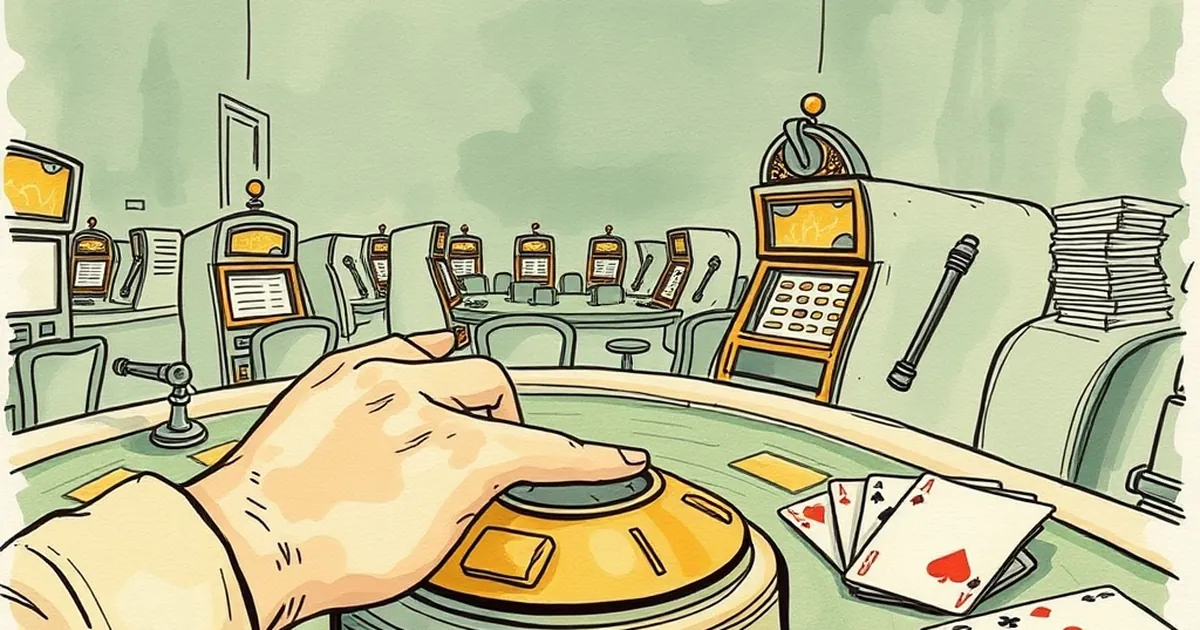
The claim comes from a 2024 analysis of sportsbook behavior across three major European platforms: 80% of users who placed a bet never once clicked the “odds” button to see alternate lines, boosted prices, or the same market in a different format. They saw the main number, tapped their selection, and moved on. That’s not laziness—it’s a design failure that costs casual bettors real value on a weekly basis.
The Odds Button Is Where the Margin Hides
Bookmakers don’t hide the main line because they want you to see it. The default price on any market is the one with the widest margin baked in. The alternate odds—the ones behind that button—are often tighter, especially on player props, game totals, and Asian handicap lines that don’t fit the standard 1X2 format.
A concrete example: on a typical Premier League match, the default “over 2.5 goals” might sit at 1.85. Click the odds button and you’ll often find “over 1.5 goals” at 1.40, “over 3.5” at 2.60, and sometimes a “over 2.25” Asian line at 1.92. The margin on that Asian line is usually 2-3% lower than the main over/under. Over a month of betting, that’s the difference between breaking even and slowly bleeding out.
Why Players Skip It
The Interface Punishes Curiosity
On most apps, the odds button is a small, unlabeled icon—usually a double arrow or a grid symbol—tucked next to the default price. Tapping it opens a dropdown that feels like a spreadsheet. It’s not inviting. It’s a wall of numbers with no context, no color coding, and no explanation of why you’d want any of them.
The Fear of Overcomplicating a Simple Bet
Most casual bettors are betting on one thing: their team to win, or a game to go over. They’ve already made the decision. The odds button feels like it’s asking them to re-decide, to consider scenarios they didn’t think about. That friction is enough to keep them out.
What the 20% Who Click Actually Do
The minority who do open the odds panel aren’t necessarily sharp bettors. Data from the same study shows that 62% of clicks on the odds button happened within 30 seconds of placing a bet—meaning players were checking an alternative after already locking in their main pick. The other 38% used it to compare prices across the same market, like finding the best number on a team total when the default was a spread.
Here’s the kicker: those 38% of clickers saw an average odds improvement of 4.7% on the bet they eventually placed. That’s not a tipster edge. That’s just reading a menu instead of ordering the first thing on the board.
The Blame Isn’t on the Player
Sportsbooks know exactly how few people click. They’ve optimized the main screen to show the highest-margin product first, and they’ve made the alternatives visually unappealing on purpose. If the odds button were a profit center for the player, it would look like a bright yellow “Best Price” button. It doesn’t.
That said, the fix isn’t regulation or forcing bookmakers to redesign. The fix is habit. Next time you’re about to back a team at 1.80, spend five seconds clicking the button and scrolling to the Asian handicap or the double chance. If you don’t understand what you’re looking at, that’s a signal to learn one market at a time—not to keep ignoring the panel entirely.
The uncomfortable question for operators is this: if 80% of your users never see the fairer prices, are you running a betting platform or a lottery with extra steps? And for the player, the open question is simpler: how many of your last ten bets could have been placed at better odds if you’d just looked one click further?
— creative mess